PRODUCT UPDATE / Game audio · Agent workflows
SEGAN 0.4 adds soundtrack crossfades and Ogg music export
The open-source game-audio tool groups related songs for bar-aligned transitions and adds Ogg export for music. Agents work from text and visual audio checks; listening approval stays with people.
For developers keeping game music and sound effects as editable source files alongside their project.
SEGAN's October 20 version 0.4.0 update adds soundtrack families, bar-aligned crossfades and Ogg Vorbis music export. The open-source tool lets AI agents write instruments, songs and sound effects as text, then checks and renders them locally for a game-asset pipeline.
Related songs crossfade on the bar
The versioned changelog introduces families for grouping songs. When a game state selects another song in the same family, it enters on a bar boundary and overlaps the previous song. Songs from other families retain the fade-out, configured gap and restart sequence.
An exploration area could group several candidate loops into one family and give that state a crossfade duration. Existing state-based song pools and the music director handle selection and playback; this update adds the rules for joining related songs.
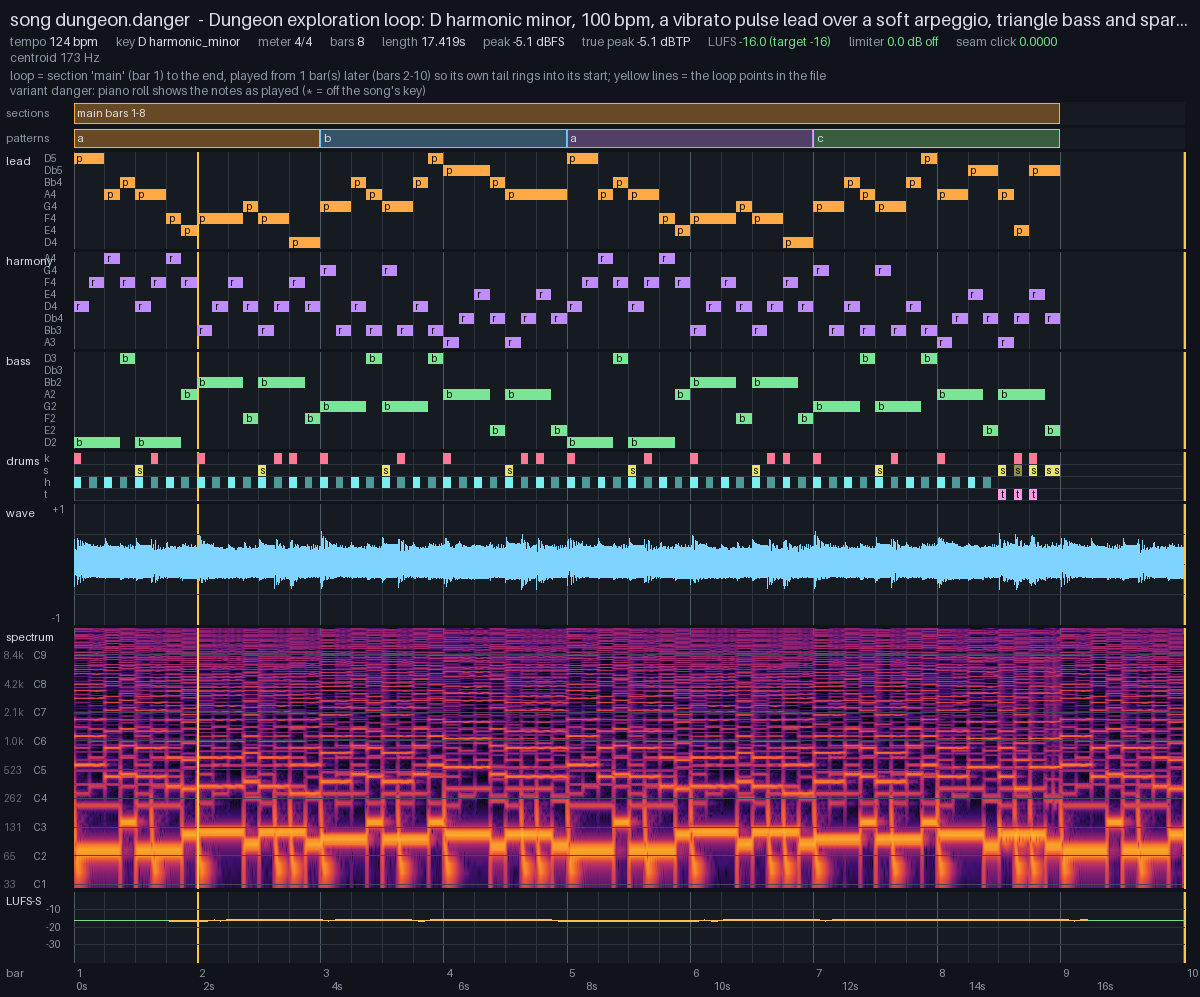
Stem mixes also gain a trim_db adjustment for reaching their loudness target during playback. The limiter ceiling caps the adjustment, and a warning flags mixes that still cannot reach the target.
Music gains Ogg export while effects stay WAV
With the optional Ogg dependency installed, songs, variants, stems and flow clips can export as Ogg Vorbis. Sound effects remain WAV. Individual songs can also set their own sample rate and channel count.
The release README describes manifest.json, which records files, loop points, sections and variants. Godot 4 gets companion resources; projects containing a flow song or soundtrack also receive a music-director script. Other engines need their own integration with the exported data.
Visual checks still need a human listening pass
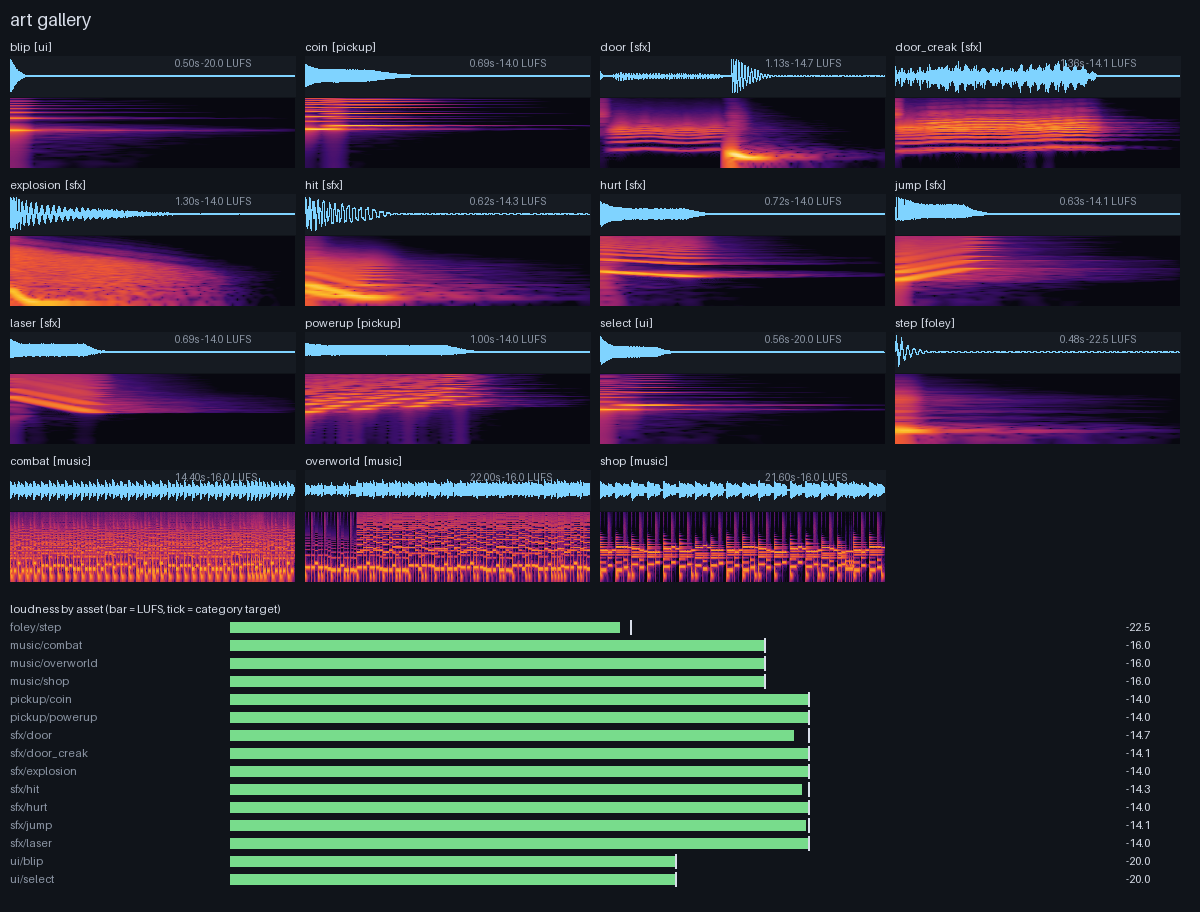
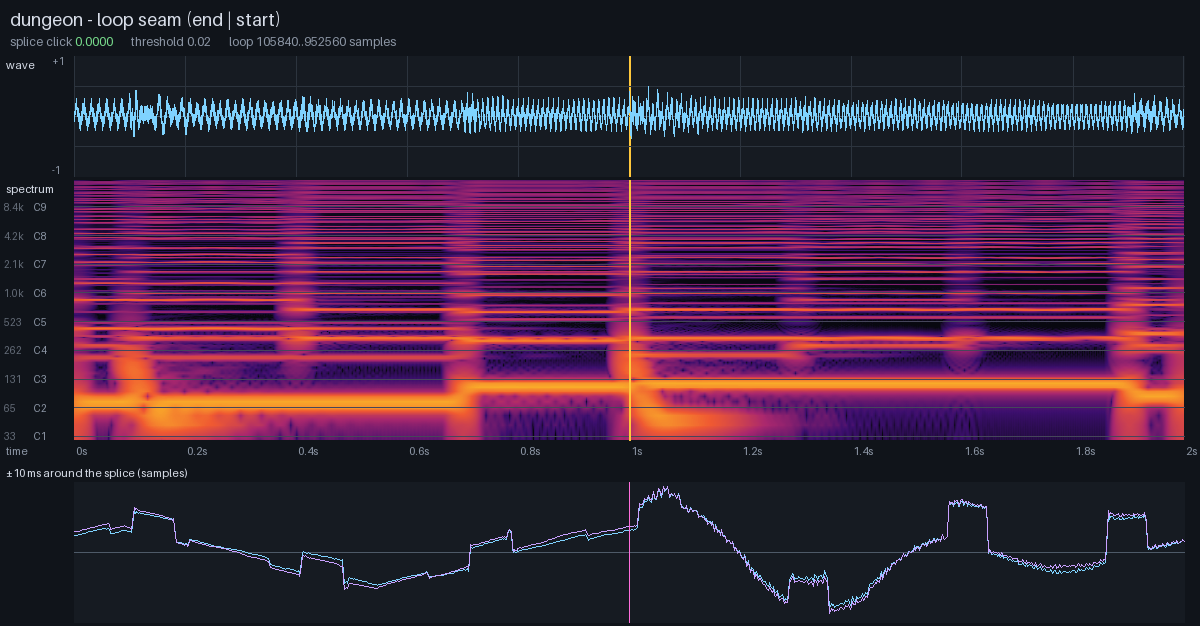
SEGAN already offers CLI, MCP and Claude skill access. Its official demo shows listen sheets combining notes, waveforms, spectrograms and loudness, giving agents evidence for timing, clipping and loop-seam checks. These measurements cannot decide whether music suits a game: assets remain drafts until a person listens and approves them.
SEGAN requires Python 3.11 or later and currently installs from a GitHub version tag, with no PyPI release yet. During the 0.x series, minor versions may change formats or exports, so game projects should pin a tag. Its code uses the MIT licence. Local audio compilation needs no SEGAN account or credits; connected AI agents retain their own service and billing arrangements.
Sources (5)
Based on the project’s versioned documentation and official demo. No sponsorship, affiliate links or vendor-provided access was involved.