
Hive Axyl launches with a Codex plugin for game backends
The September 30 launch connects backend integration and live operations to Codex. SDK 1.0.0 targets Unity 6 and later; the service is currently free during beta.
Read articleFOLLOW WHAT CHANGES
Tool releases, production workflows and industry updates. What changed, and what it could mean for your game.
The September 30 launch connects backend integration and live operations to Codex. SDK 1.0.0 targets Unity 6 and later; the service is currently free during beta.
Read article
The September 29 announcement brings game art, conversational revisions and HTML export into Layer's playable-ad workflow. Generation uses Creative Units; exports have no separate fee.
Read article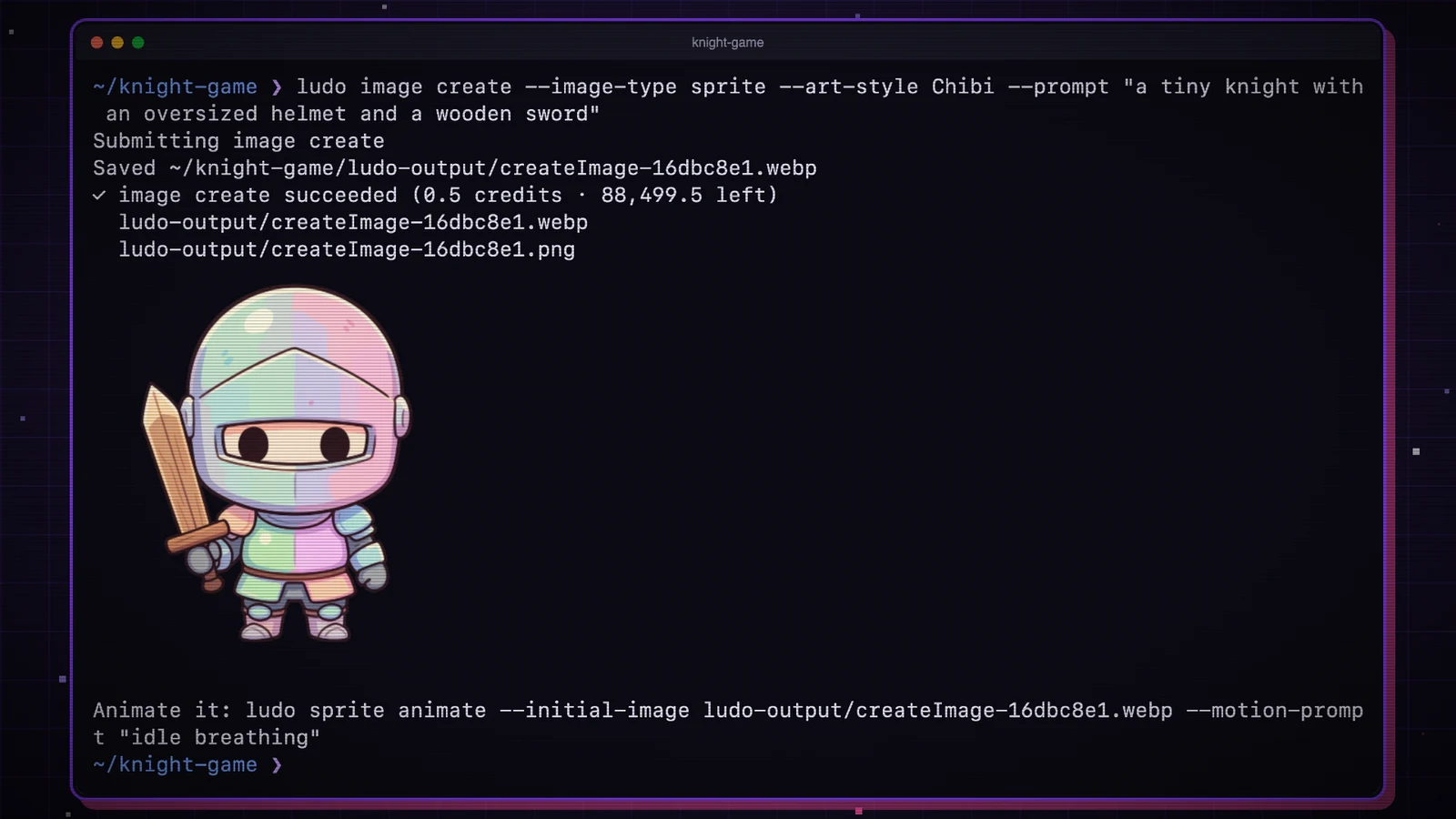
The September 28 release brings Ludo's generators to the terminal, with local file output, Godot animation resources and spending controls. Pro or Studio access is required.
Read article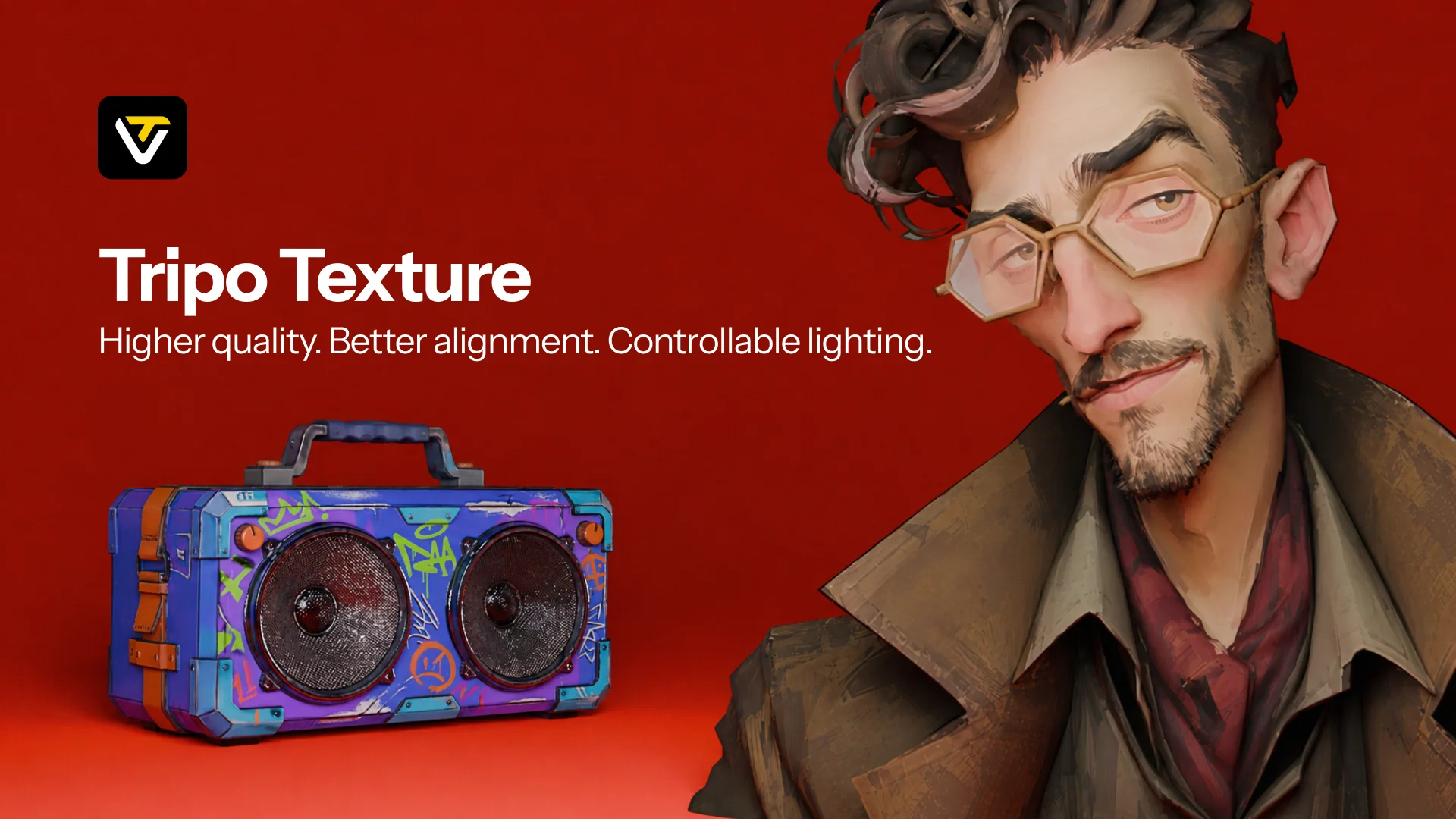
Announced September 24, the toggle controls baked-in lighting in new textures. It is included in standard texture generation costs and leaves existing models unchanged.
Read article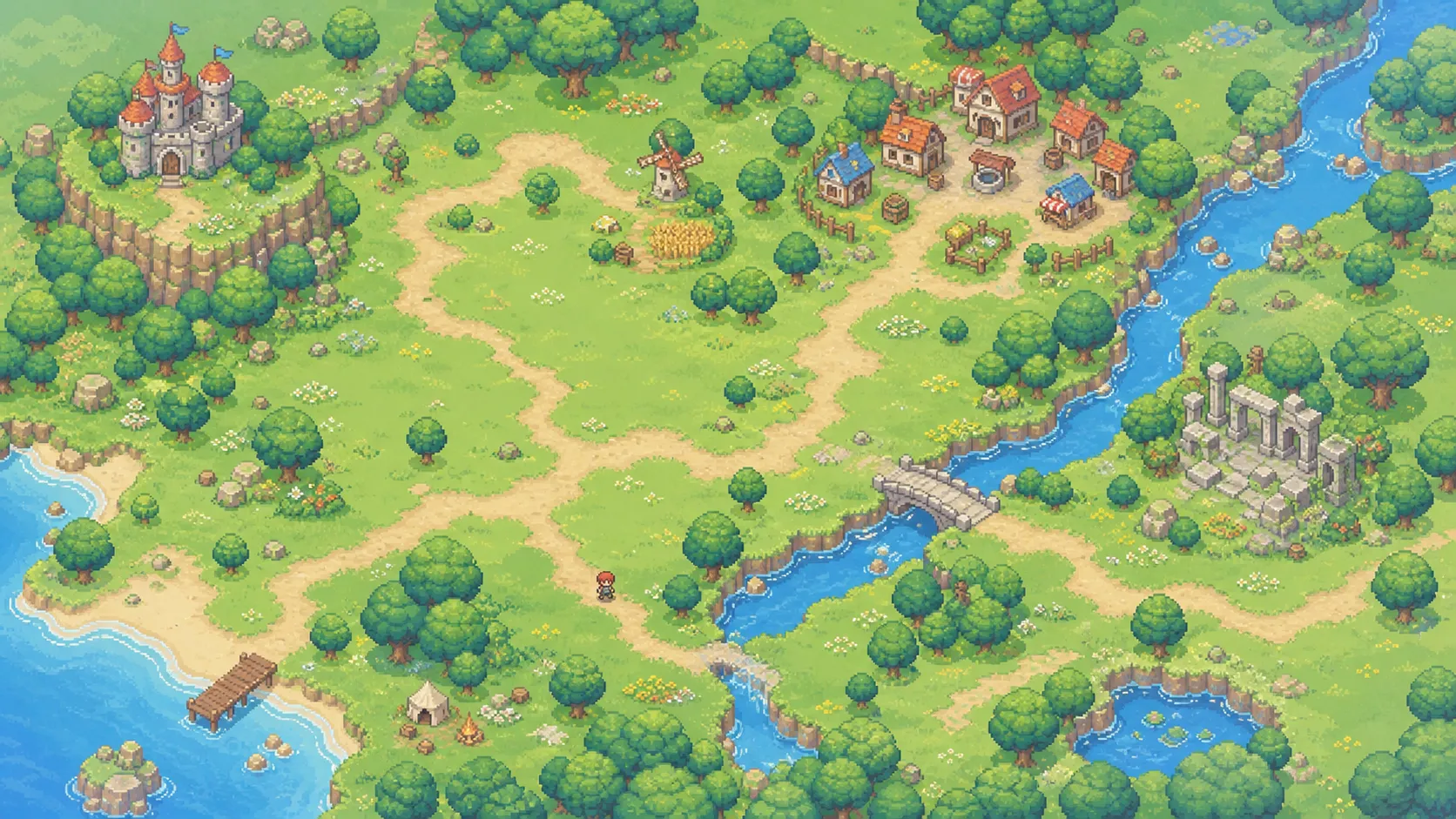
RPGJS's September 28 update adds style selection and water to its editable 2D map workflow. The developer reports better placement, while traversal still needs checking.
Read article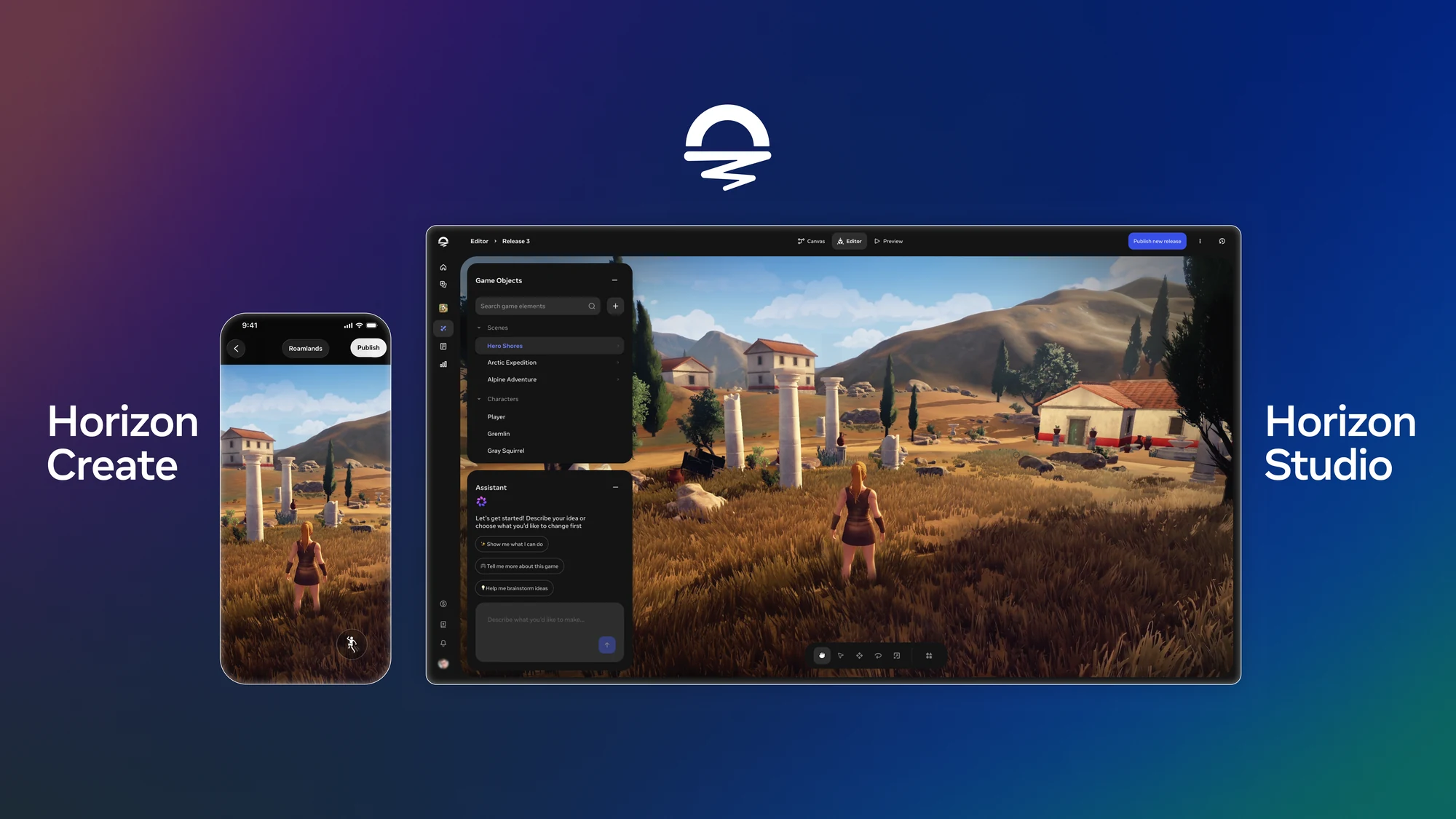
Meta introduced mobile Horizon Create and browser-based Horizon Studio on September 24 for making and editing 2D or 3D games with prompts. Both remain in creator-community testing, with wider early access by waitlist.
Read article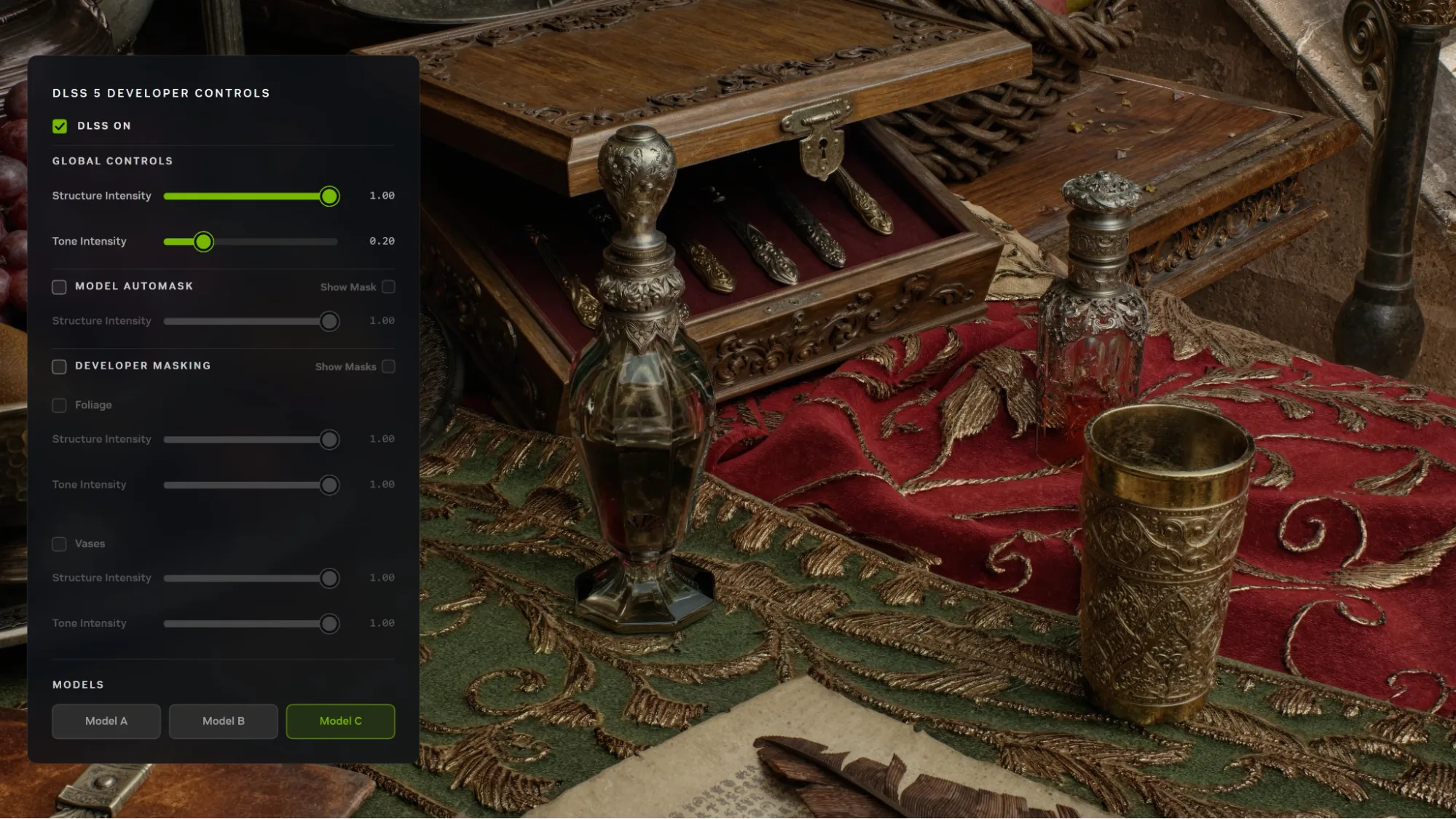
NVIDIA’s September 22 developer roundup brings together DLSS 5 art controls, ACE speech and local inference updates, and Mega Geometry 2.0. The technologies were introduced on different dates.
Read article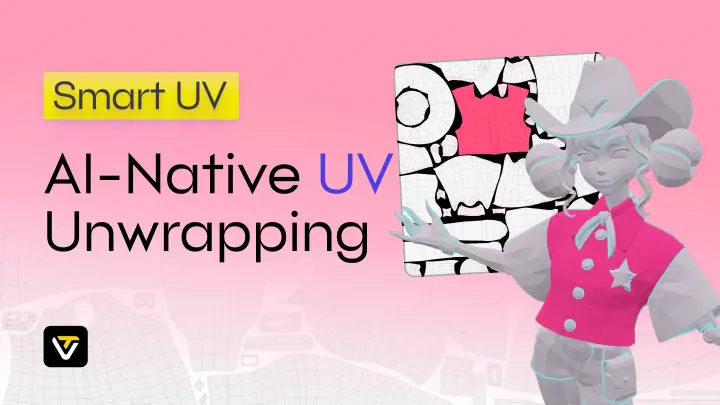
Announced September 21, Smart UV helps asset creators unwrap models and inspect the layout in Tripo Studio. Two models are free to try; retry charges vary by plan.
Read article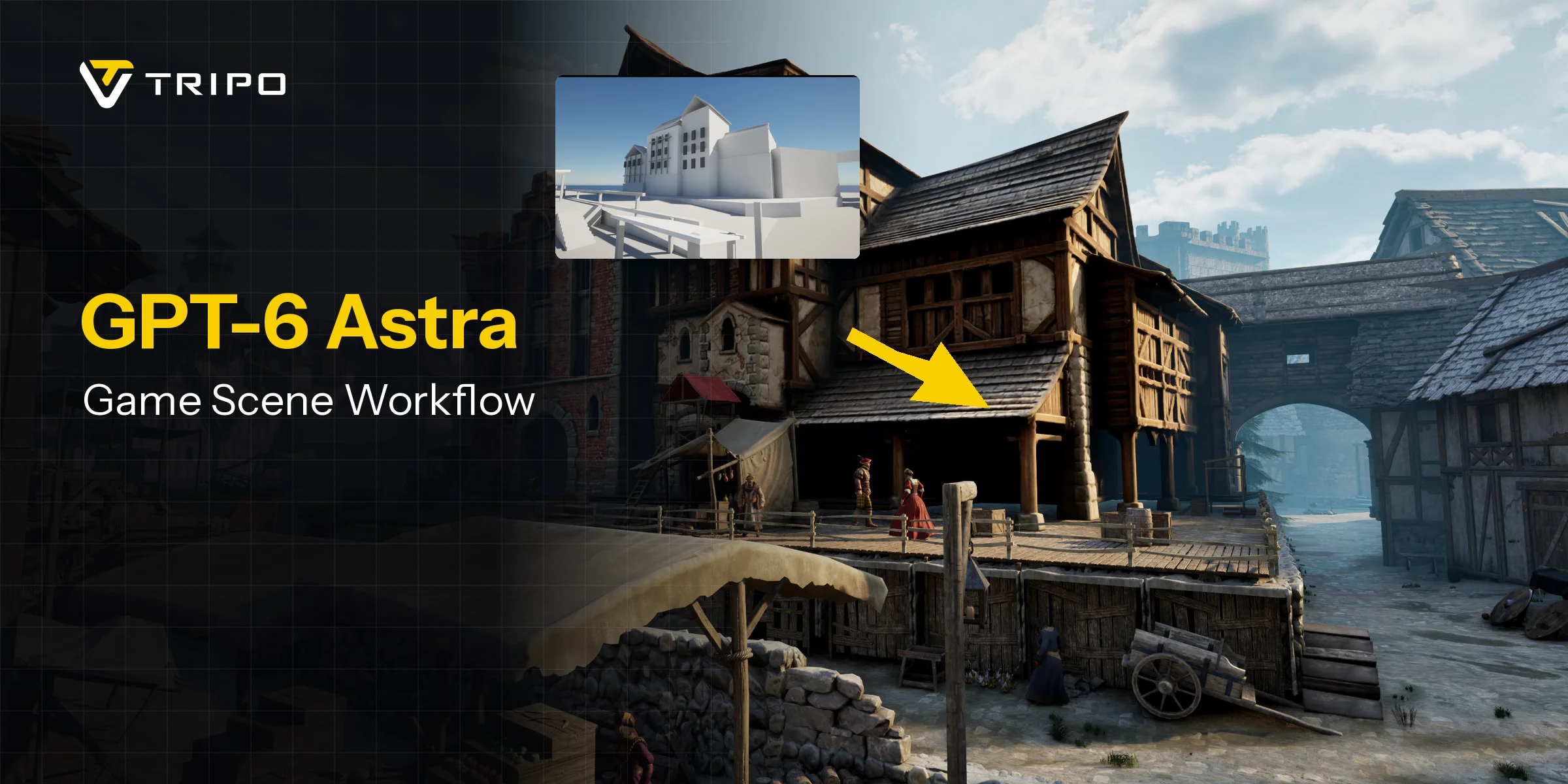
A new Tripo case study connects asset generation with Unreal scene assembly. Blockout and traversal checks give developers concrete stages to review before expanding an environment prototype.
Read article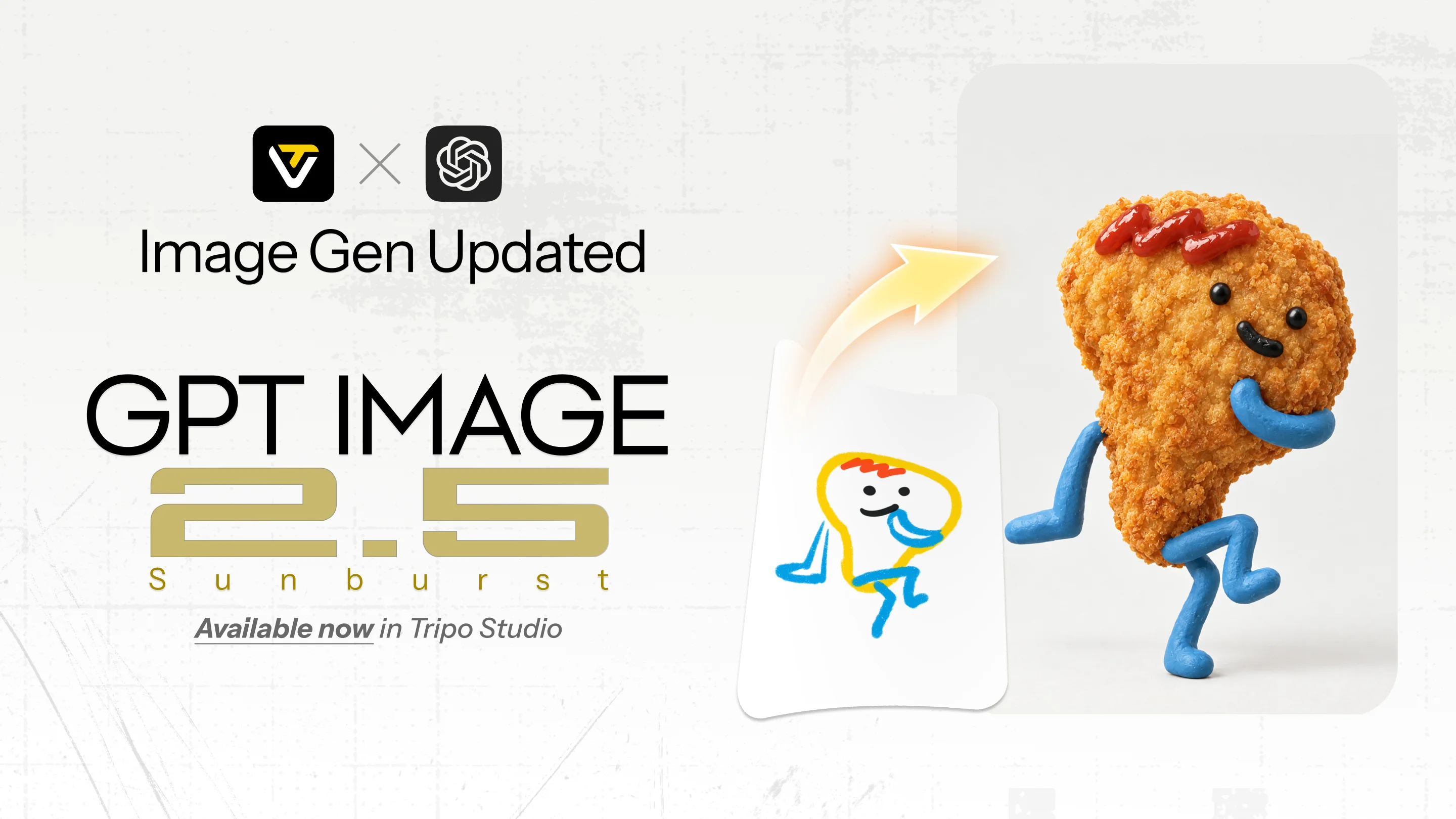
Tripo has added GPT-Image-2.5 Sunburst to a guided reference-image workflow, while Meshy now exposes Flare and Sunburst through its image APIs. The useful change for game artists happens before 3D generation: preparing clearer poses, multiple views and separated assets without breaking the production chain.
Read article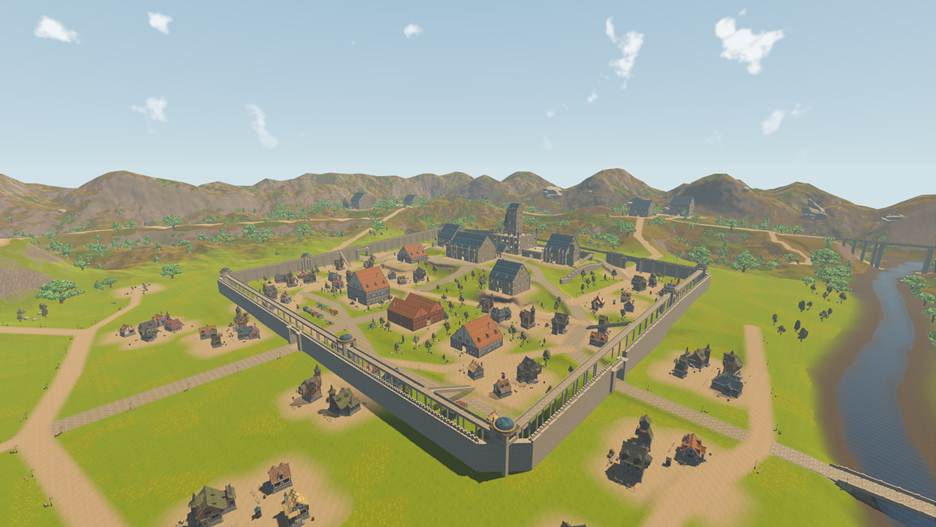
Antti Kananen's latest production log follows an AI-assisted game project beyond asset generation and into combat, traversable levels, UI, audio and regression testing. The practical lesson is that agents can expand execution, but playable quality still depends on explicit acceptance criteria, repeatable evidence and human judgment.
Read article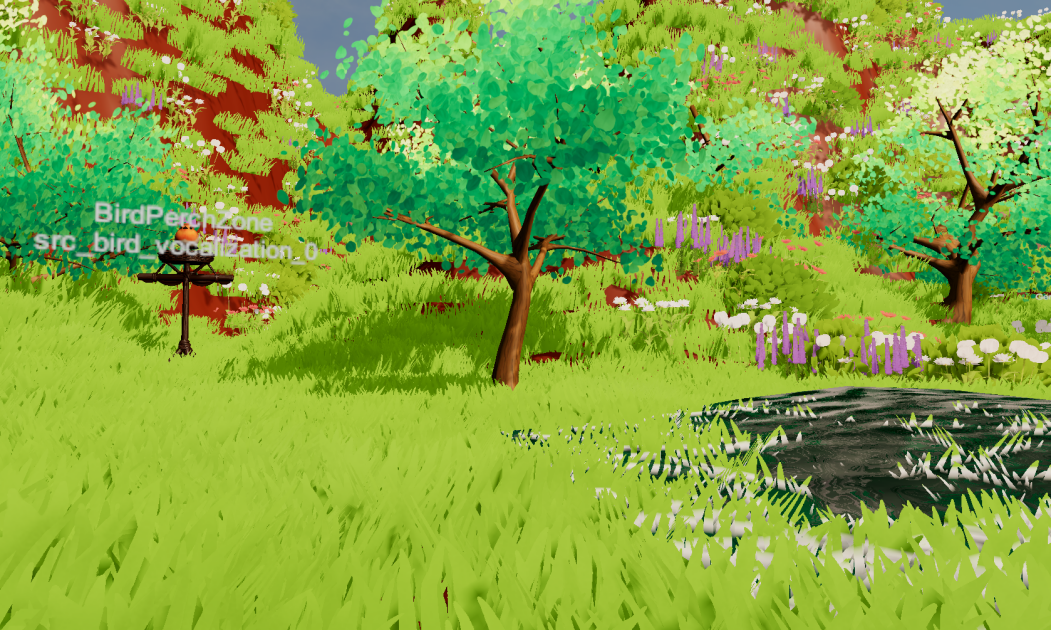
EchoForge combines sound-event recognition, directional cues, an explicit scene graph and procedural rules to turn a spatial recording into an explorable Unity environment. It generates a plausible interpretation of a soundscape rather than reconstructing exact geometry.
Read article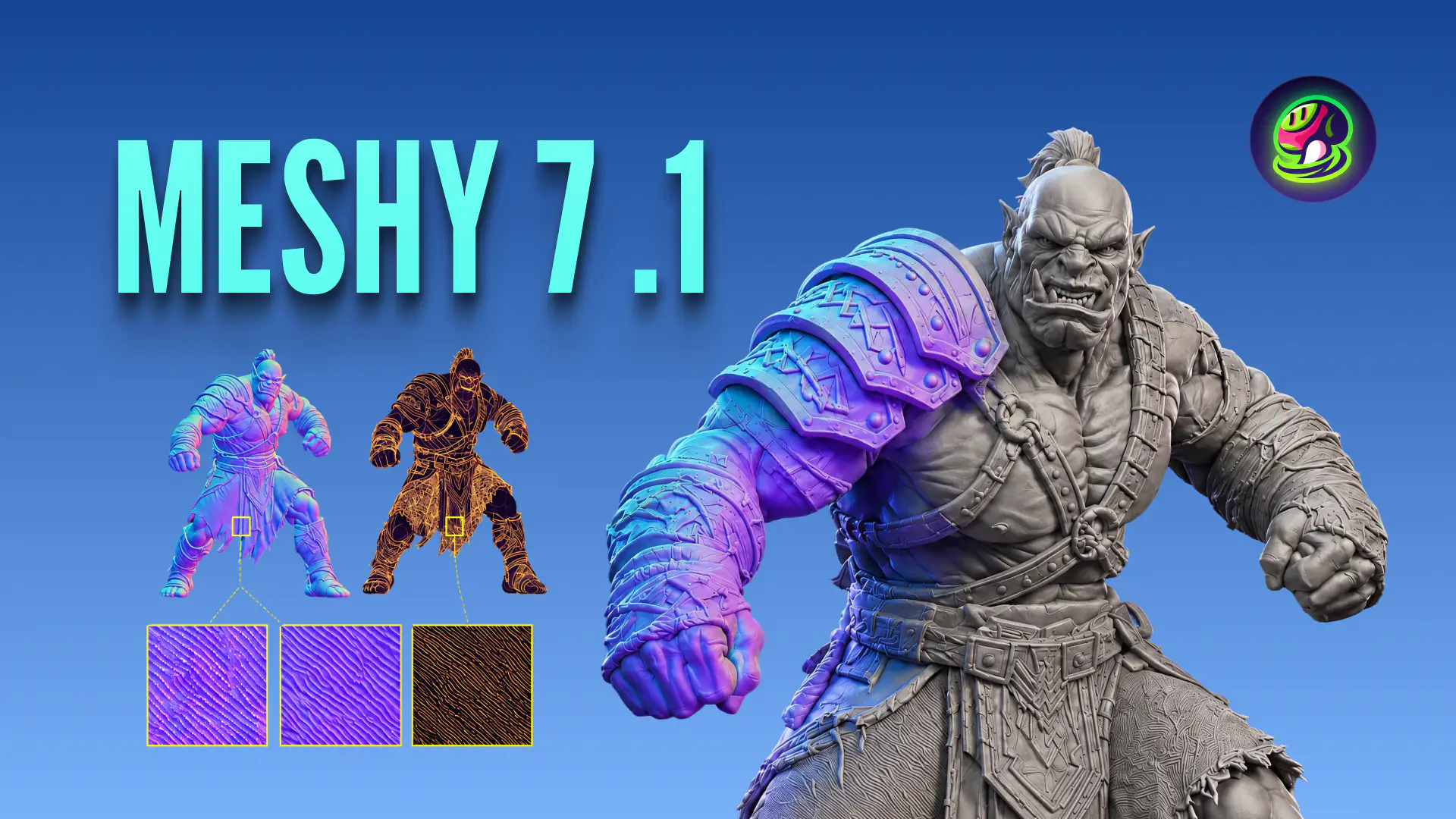
Meshy 7.1 adds an Ultra 4K image-to-3D mode that generates geometry at 4096³, with raw meshes reaching up to 80 million triangles before simplification. The mode is single-view only and requires a subscription, while game assets still need a downstream polygon budget and engine checks.
Read article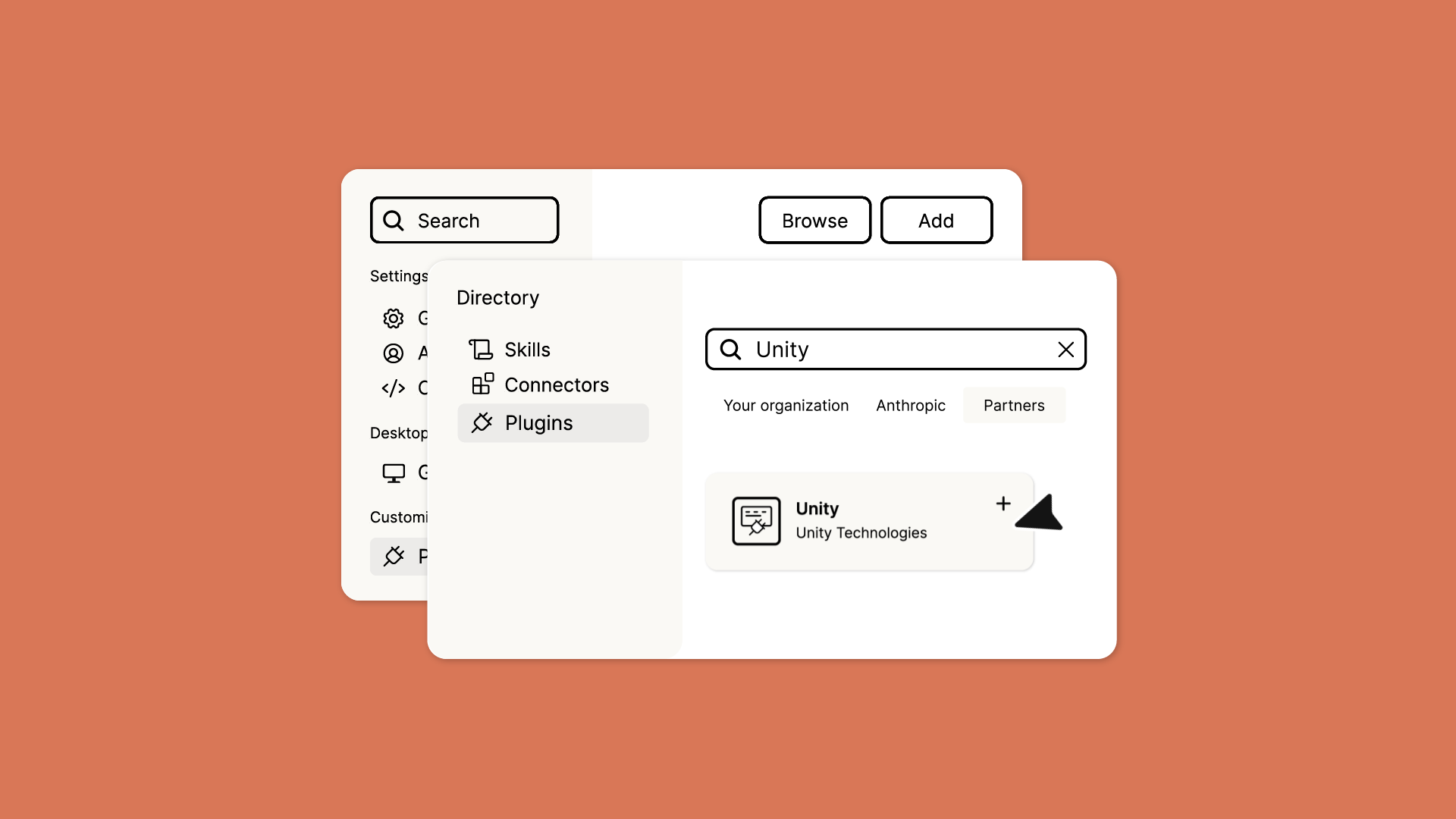
Unity has packaged its engine guidance into an official agent plugin. The September 9 announcement focused on Claude Code, while Unity's current documentation and repository now provide a Codex installation path; live Editor control still requires the Unity CLI and Pipeline package.
Read article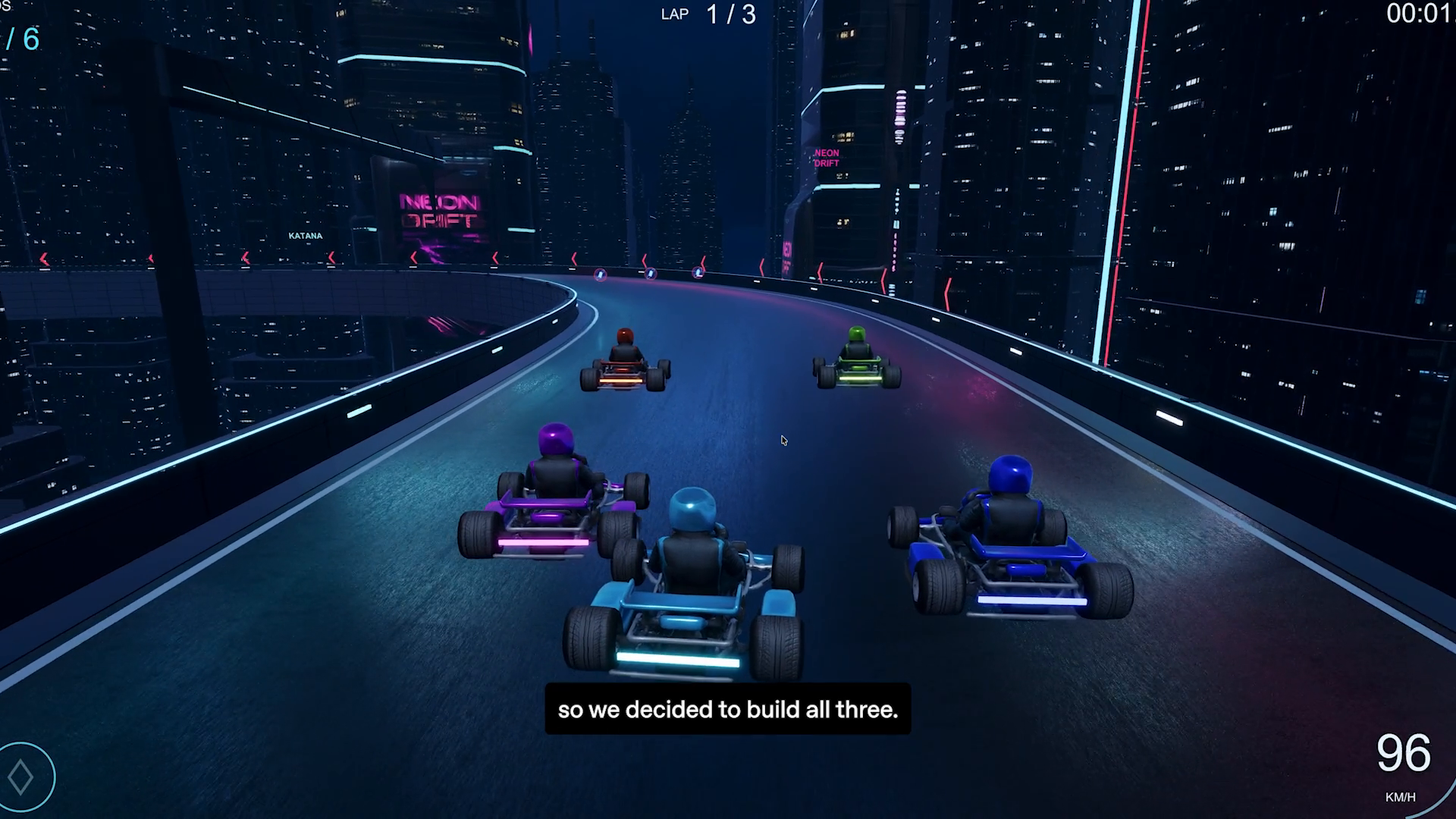
Playco expanded one kart-racing grey box into candy, cyberpunk and pirate prototypes, reporting 50% fewer manual fixes than with the previous model. The published case does not disclose its test size, time or cost.
Read article
Ramen has released Aura 1.0 for Unity and Unreal with Mac support, project memory and custom agents. Its self-playtesting Verification Agent is currently limited to Unreal.
Read article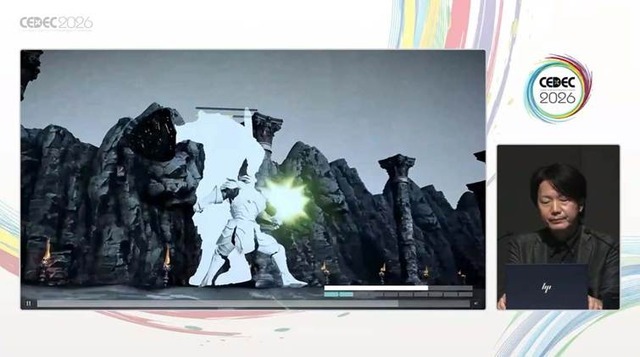
A CEDEC 2026 case study follows a game designer through AI-assisted prototyping, from planning and asset generation to the work still needed inside the engine.
Read article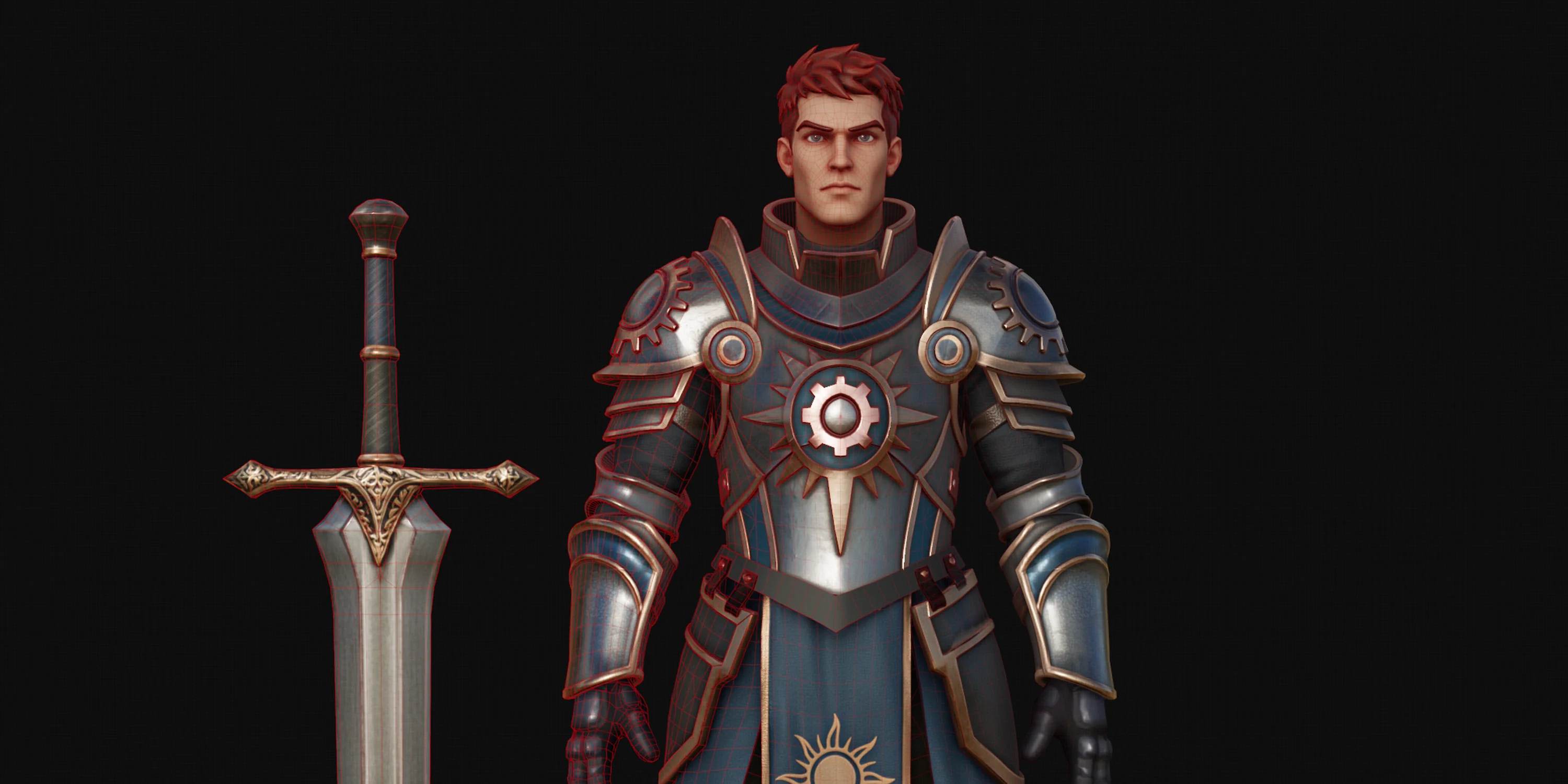
Tripo's own case study breaks a stylized knight into modular parts, generates quad meshes, then finishes assembly, UVs, textures and engine import by hand.
Read article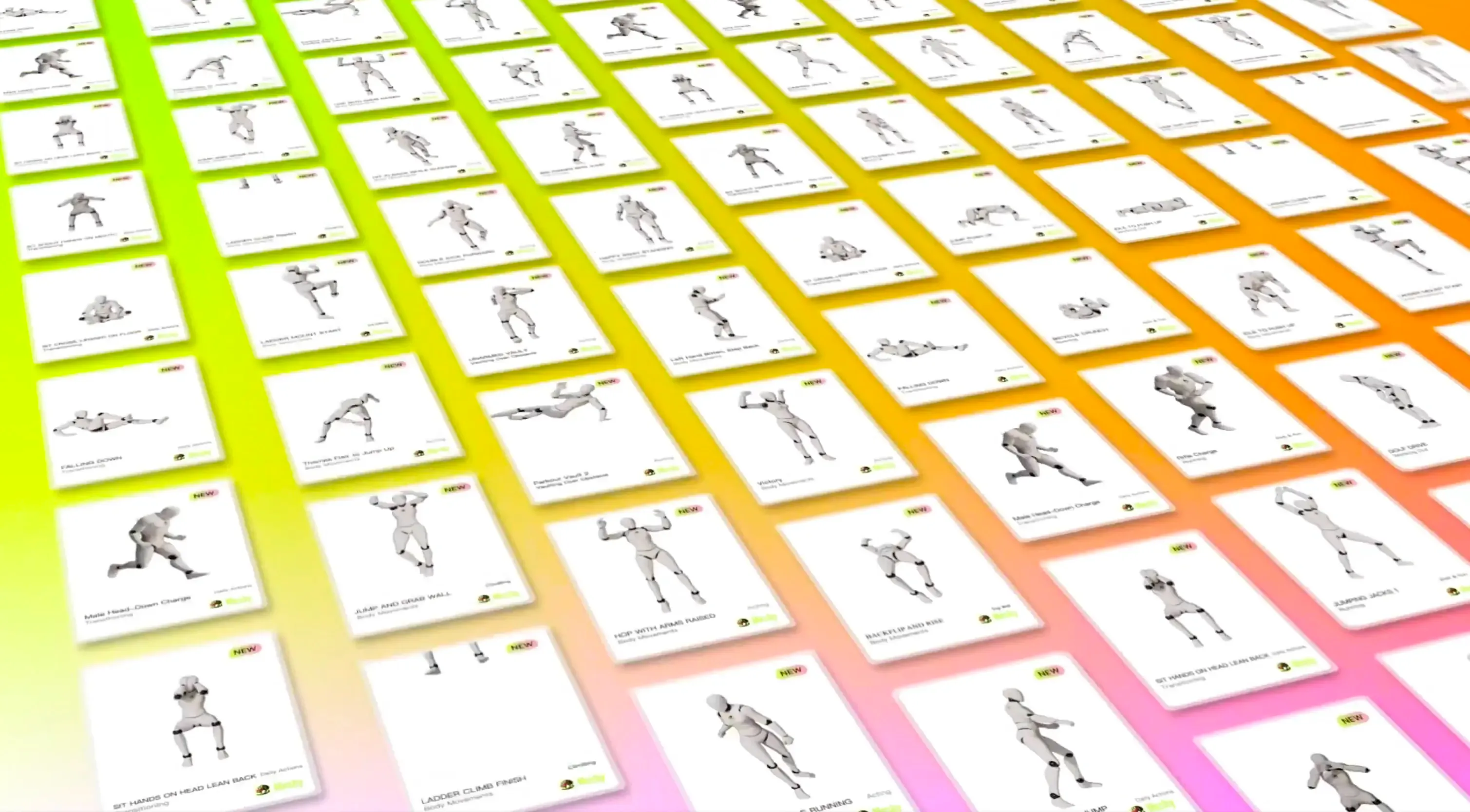
A new API brings searchable presets and motion previews into custom workflows. Browsing the library uses no credits; applying an animation is a separate task.
Read article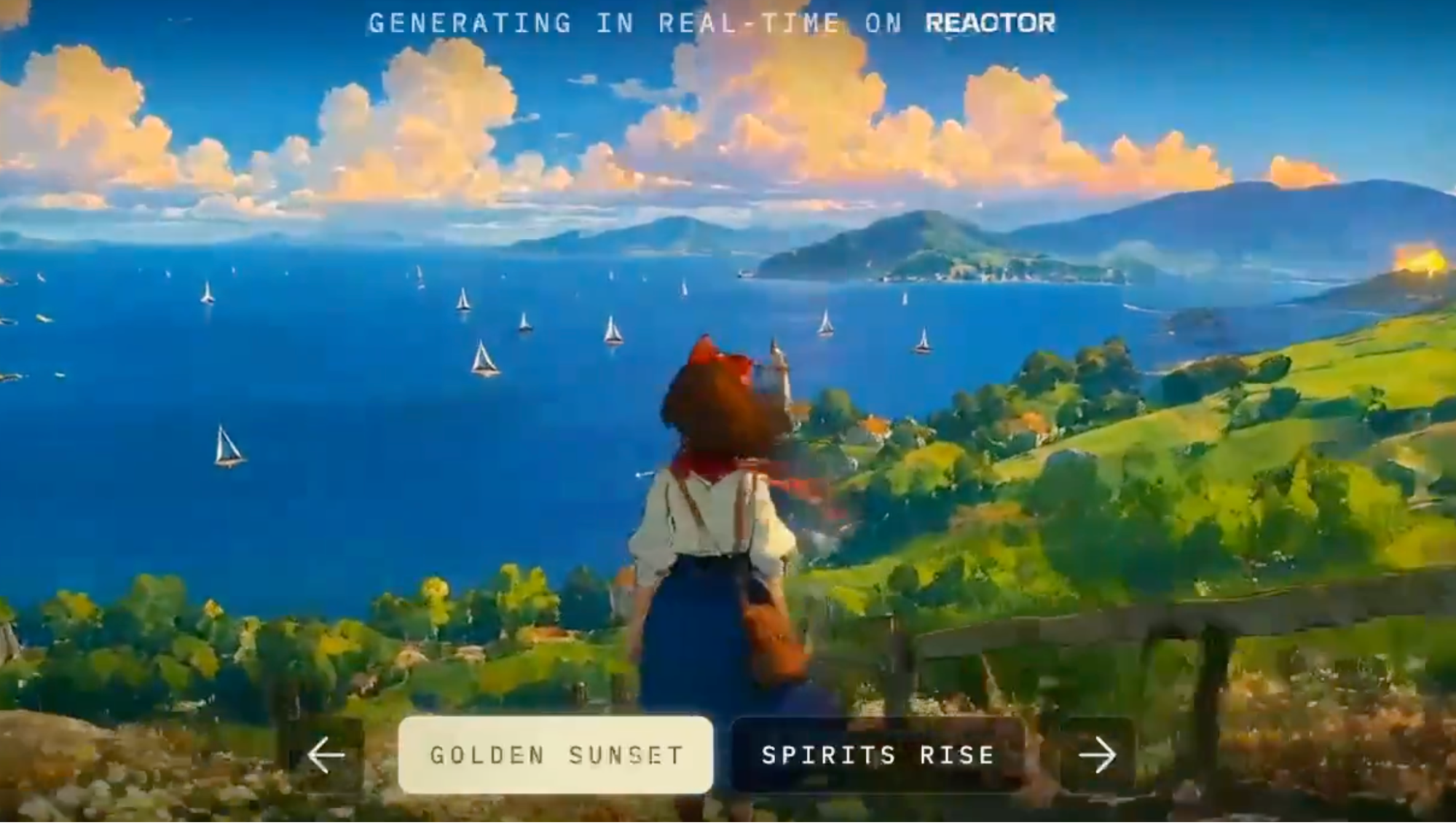
A reference image and a prompt become an interactive video stream. The examples explore how generated scenery can work alongside game rules.
Read article