PRODUCT UPDATE / Visual storytelling · Comic creation
Higgsfield Mangaka turns scripts into editable comic chapters
The November 2 release combines story planning, cast creation and chapter generation. Narrative-game teams could use its page exports for early visual reviews, with editing and engine integration still to handle.
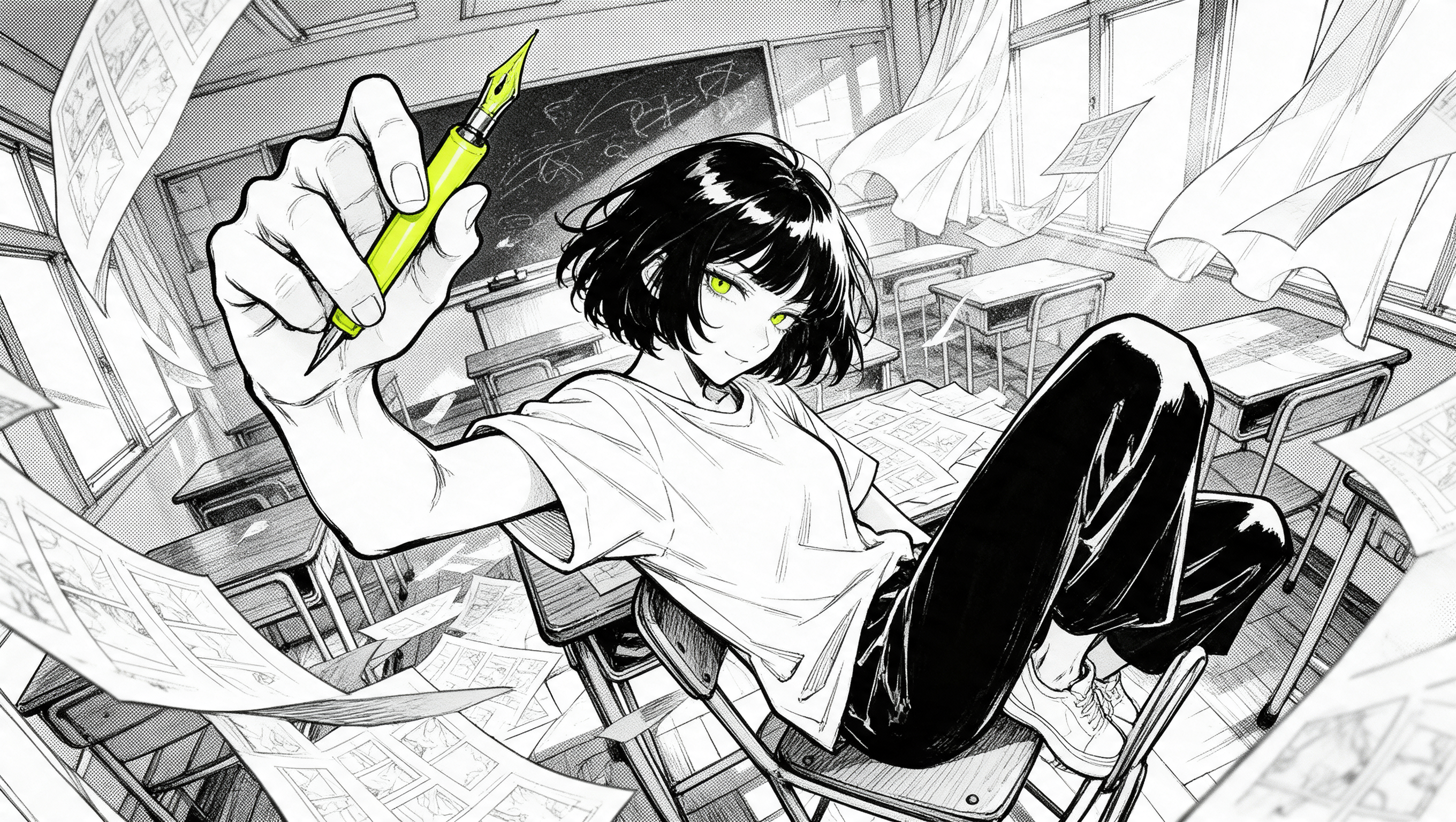
Narrative-game and visual-novel teams preparing a visual draft of a script or a comic-style cutscene.
Higgsfield released Mangaka on November 2, adding a workspace that turns an idea or script into editable manga, comics and webtoons. For narrative-game teams, its useful role could be preparing a visual draft of a story or a comic-style cutscene. The documented exports are pages and books; interaction and engine integration remain separate production work.
Review the cast before drawing the chapters
The dated release notes describe a workflow spanning the story, characters, locations, props and chapters. Auto mode carries those stages forward automatically; Manual mode lets the creator generate and check them separately. It offers black-and-white manga, color manga, comics and webtoon styles, with dialogue in 14 languages.
The November 3 guide accepts a short premise or a PDF or DOCX script of up to 25 MB. The agent first proposes a story plan, then a cast and world, before illustrating chapters. Characters can be refined before production, and generation can be paused.
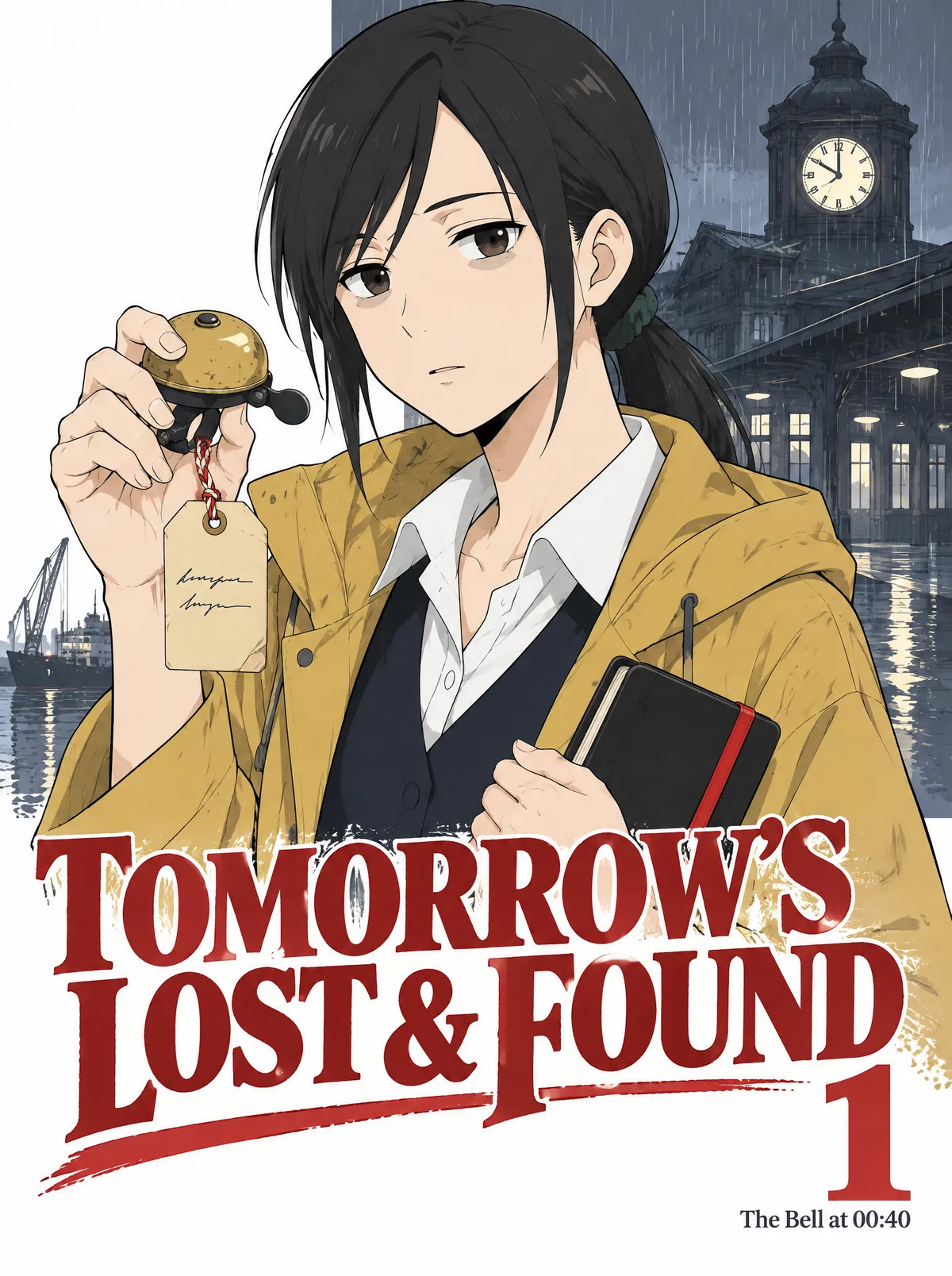
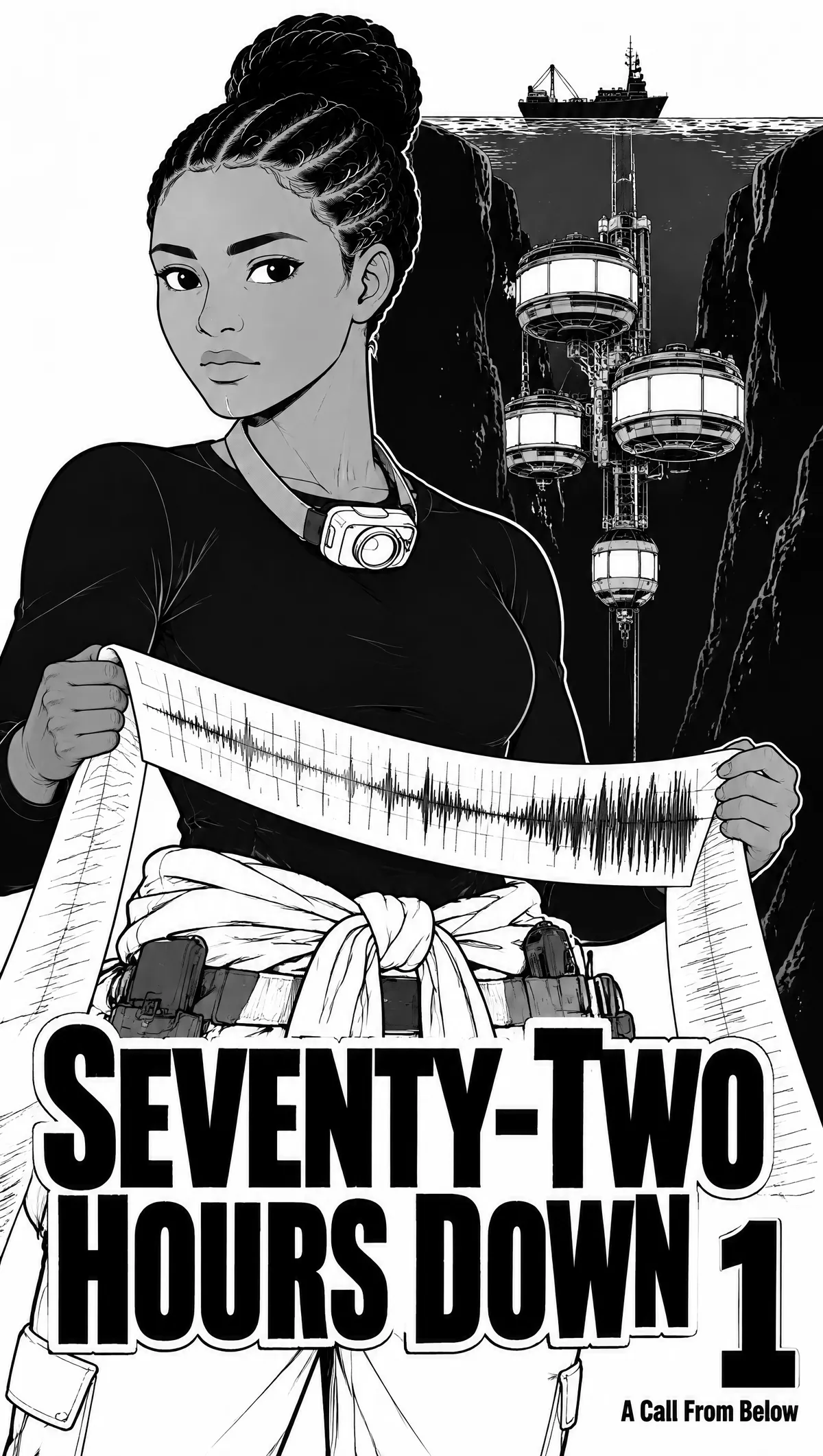
A team could start with an owned script excerpt and use Manual mode to review staging, character design and dialogue pacing together. This is a suggested preproduction use that a team would need to validate on its own project. Higgsfield’s sample covers illustrate its intended visual styles; consistency still needs checking across the pages.
Edit pages, then choose an export
The guide describes redrawing or reframing one panel, changing its text, or prompting an edit to a whole page. Finished work can be downloaded as PDF, CBZ, PNG pages or a webtoon. The product introduction also presents cast creation and story review as stages before the finished book.
Generation and edits use Higgsfield credits, with the cost shown in the interface. Total spend depends on chapters, cast and revisions; check the account’s available allowance and action price before starting. A short draft still needs review for lettering, continuity and the project’s art direction. Supply scripts and reference images that the team has permission to use.
PNG pages could support an early cutscene review, while separating dialogue, backgrounds, character art and interaction into reusable game assets remains the team’s task. The 2D art and animation category and narrative category collect tools for those surrounding steps.
Sources (3)
Based on official release notes and product documentation. No sponsorship or affiliate links.