PRODUCT UPDATE / Blender · 3D assets
StableGen 0.4 brings masked texture edits and SkinTokens rigging to Blender
The October 28 release adds painted texture selections, automatic character rigs and FBX/BVH motion retargeting. The workflow uses ComfyUI, with separate GPU and model-licence requirements.
Blender artists who want to revise part of a character's texture, then prepare a rig and reuse existing humanoid motion.
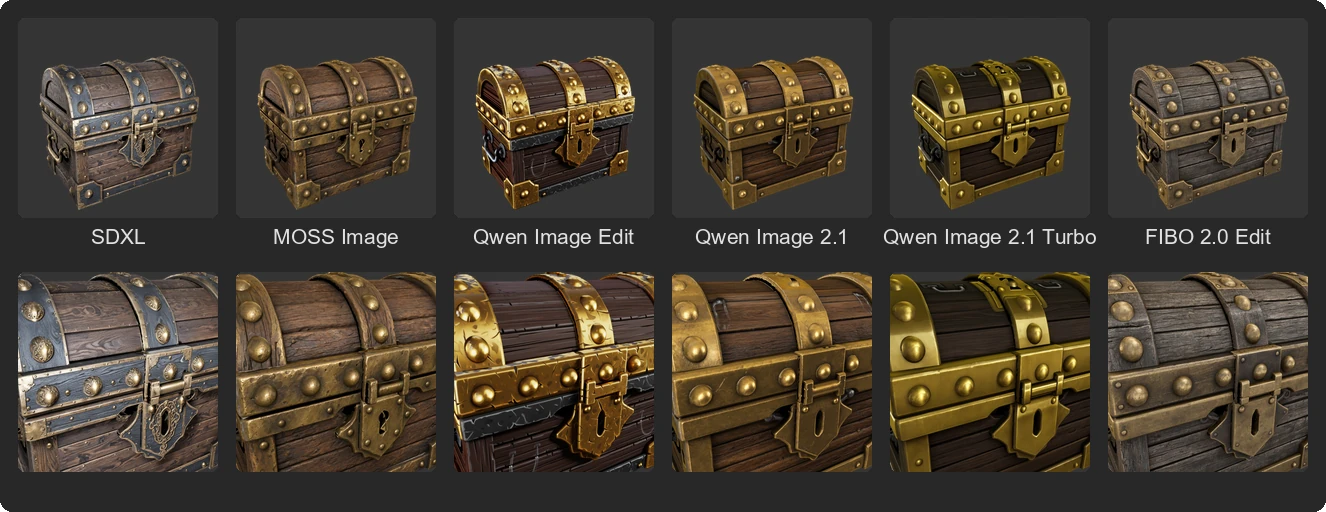
StableGen 0.4.0 was released on October 28 (UTC), adding local texture edits, automatic character rigging and motion retargeting to its Blender workflow. The release also adds Qwen Image 2.1 and three experimental texture architectures. For game assets, the practical additions sit between generating an initial appearance and preparing a character for animation.
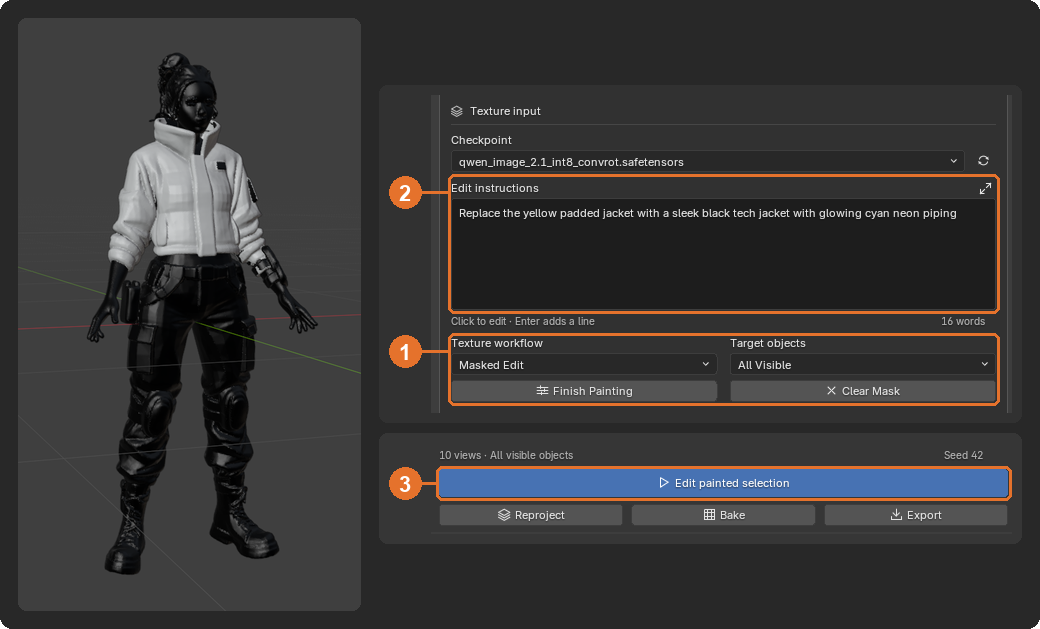
Paint a selection, then review the edit
With Masked Edit, artists paint a surface selection and describe the change, such as replacing a jacket's material. The generated views can be inspected before choosing Apply or Discard. That gives costume and material variations a more focused starting point than generating the whole appearance again.
The workflow keeps existing UVs, but currently requires one material across each mesh's faces and a free UV-map slot. It uses the existing cameras: areas invisible to all of them remain unchanged. Selection expansion can include nearby visible surfaces, and the preview still needs checking for misplaced details.
Rig a character and reuse existing motion
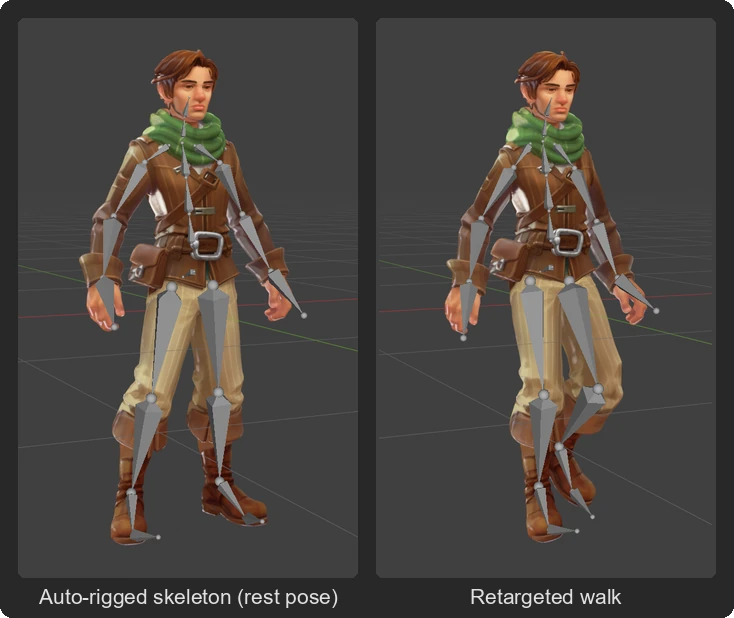
The new SkinTokens integration returns a skeleton and skin weights for a selected character. It can run from the Tools page or as an automatic step after TRELLIS.2 mesh generation. The SkinTokens ComfyUI node must be installed first.
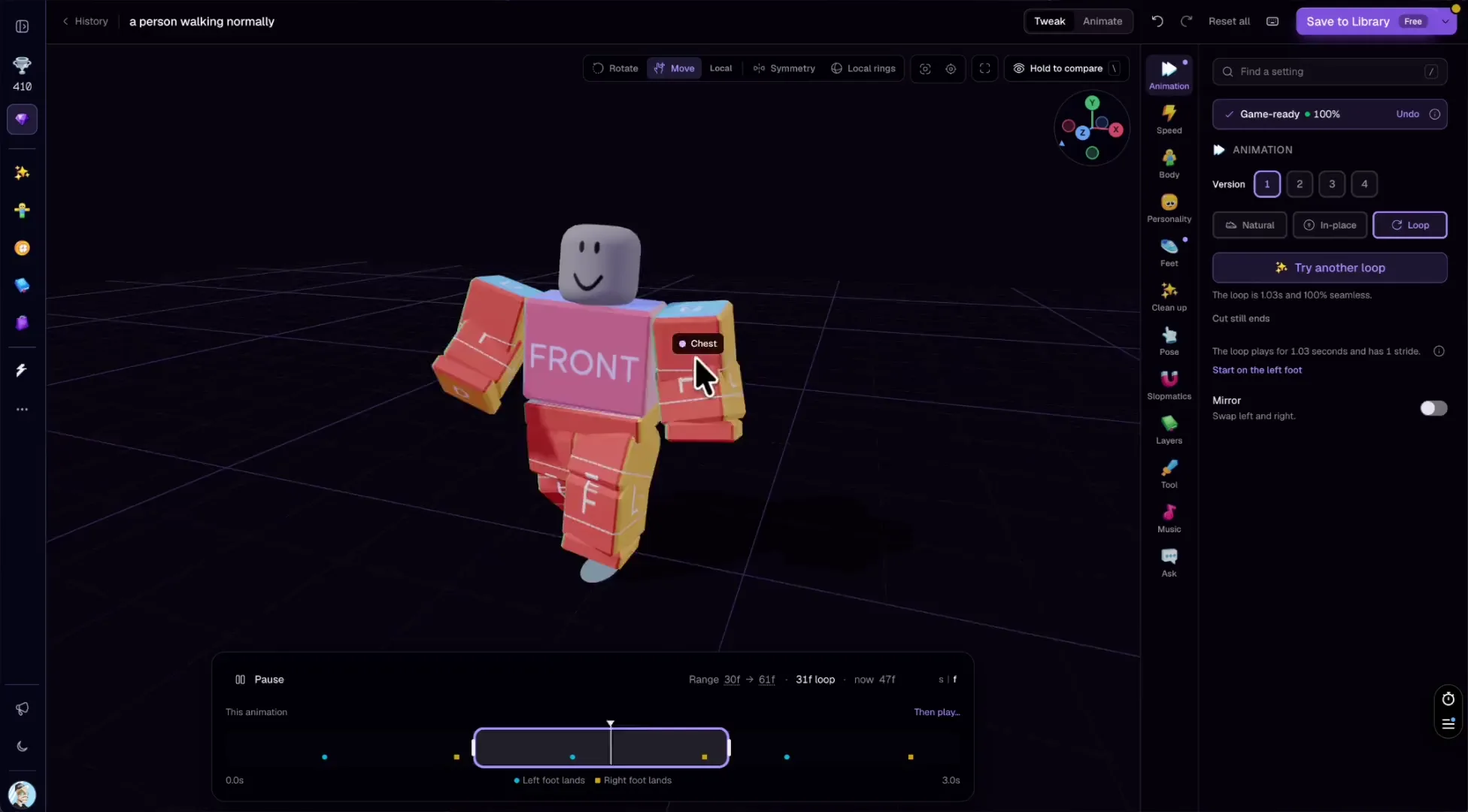
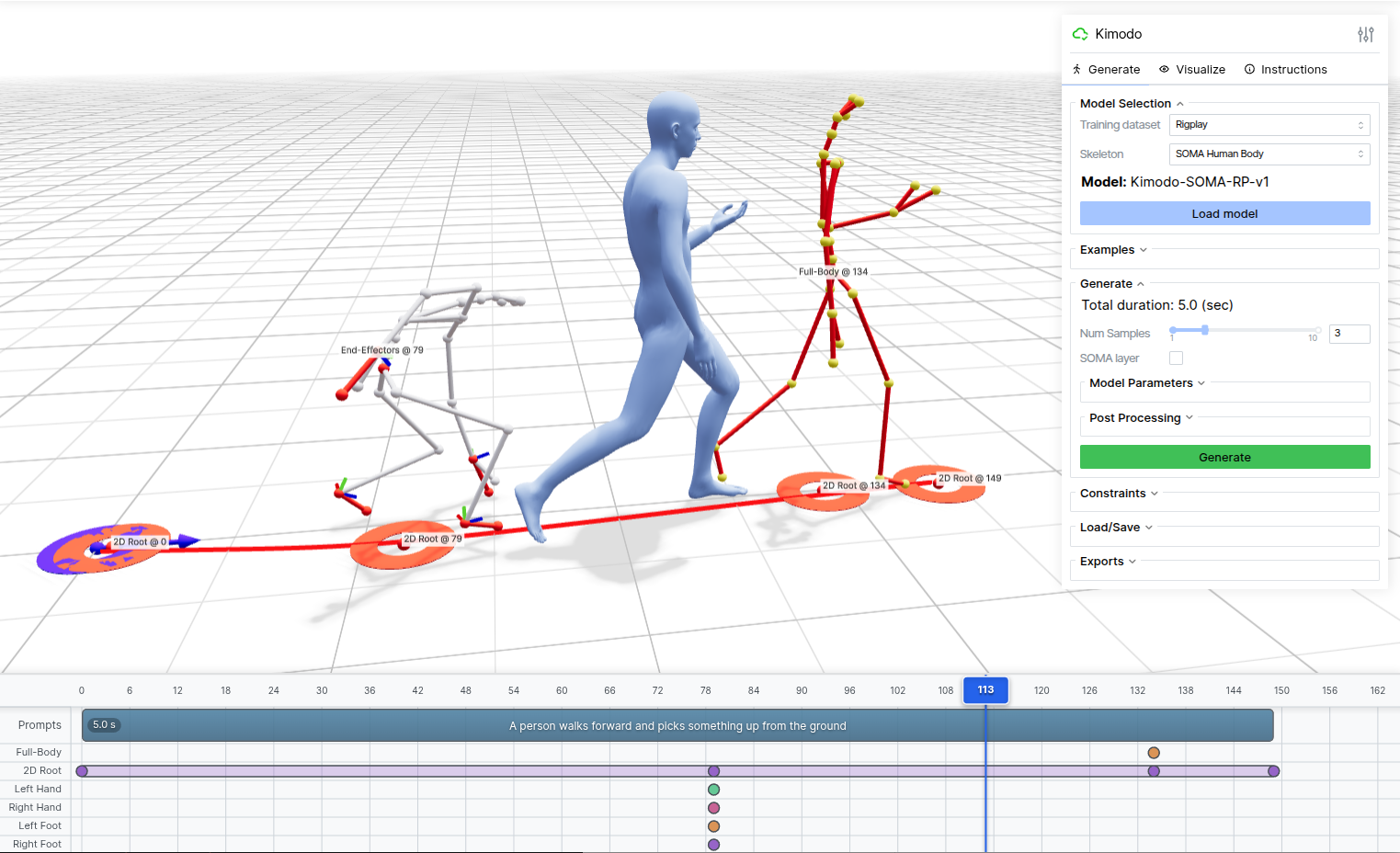
A separate retargeting workflow maps FBX or BVH motion onto a humanoid rig, then bakes a Blender action. Developers need to check the bone mapping and reference pose before applying it.
For an engine import, the export documentation specifies baking projection materials into UV textures first, then exporting GLB, glTF or FBX. Export itself does not bake textures; including animation is a separate option.
Blender, GPU and model requirements
The installation guide lists Blender 4.2–4.5 or 5.1 and later, excluding 5.0, with platform ZIPs for Windows x64, Linux x64 and Apple Silicon macOS. Models run through ComfyUI, which can be hosted on another machine.
SkinTokens has its own hardware requirements: the upstream project specifies an NVIDIA GPU with at least 14 GB of memory for inference. Model permissions also differ. The Qwen Image 2.1 licence permits research or evaluation use only; commercial use requires a separate licence.
The 3D assets and animation category connects this update with other steps in a game-asset workflow.
Sources (7)
No sponsorship or affiliate links in this article.