PRODUCT UPDATE / AI playtesting · Engine integrations
Aura Autopilot 1.0 expands playtesting controls across Unreal, Unity and Godot
The November 3 build brings pointer control and richer game-state observations to more engine integrations. Its open-source plugins connect coding agents with goal-driven playtests and reports, while model usage is billed separately.
Developers with an existing Unreal, Unity or Godot project who want an agent to replay a bounded gameplay check and return evidence.
Ramen released Autopilot 1.0.0 build 31cb1e5 on November 3, expanding the controls and observations available to its Unreal, Unity and Godot playtesting integrations. Developers could use the open-source system to repeat a defined gameplay check and inspect its report. Engine-specific limits and the cost of the models running the test still matter.
More consistent controls across the three engines
The new build includes a cross-engine feature sync. Unreal and Godot gain pointer control that Unity already had: an agent can aim the pointer at a screen position, world point or object, then click or drag there. Unity and Godot gain richer observations of the game state, including spatial information and changes such as an effect appearing or a part being shown or hidden.
The integrations retain specific boundaries. A headless Unreal session cannot pick a world object under the pointer, and a 2D Godot game does not supply 3D spatial readings. Teams should choose checks that the integration can actually observe.
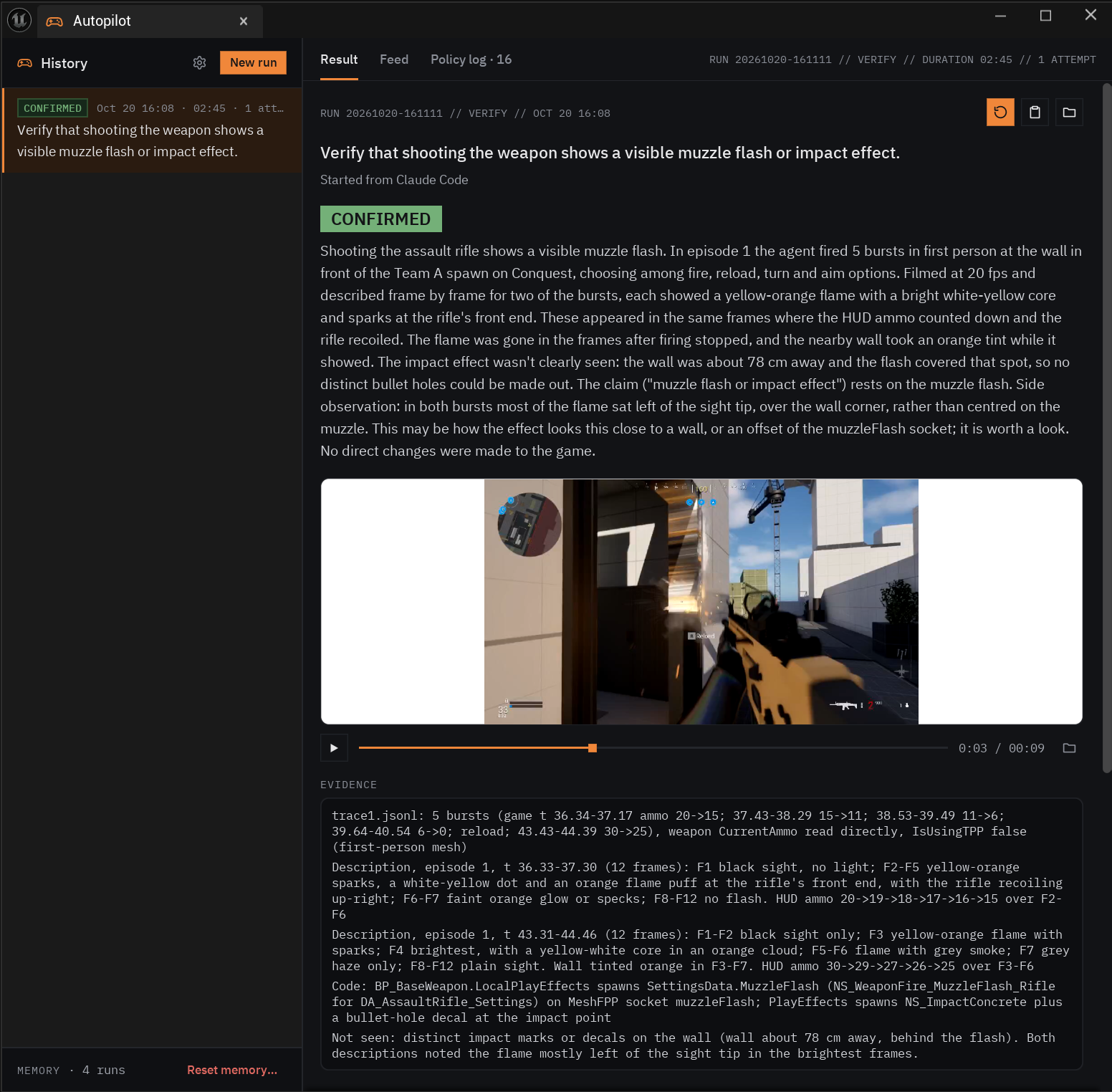
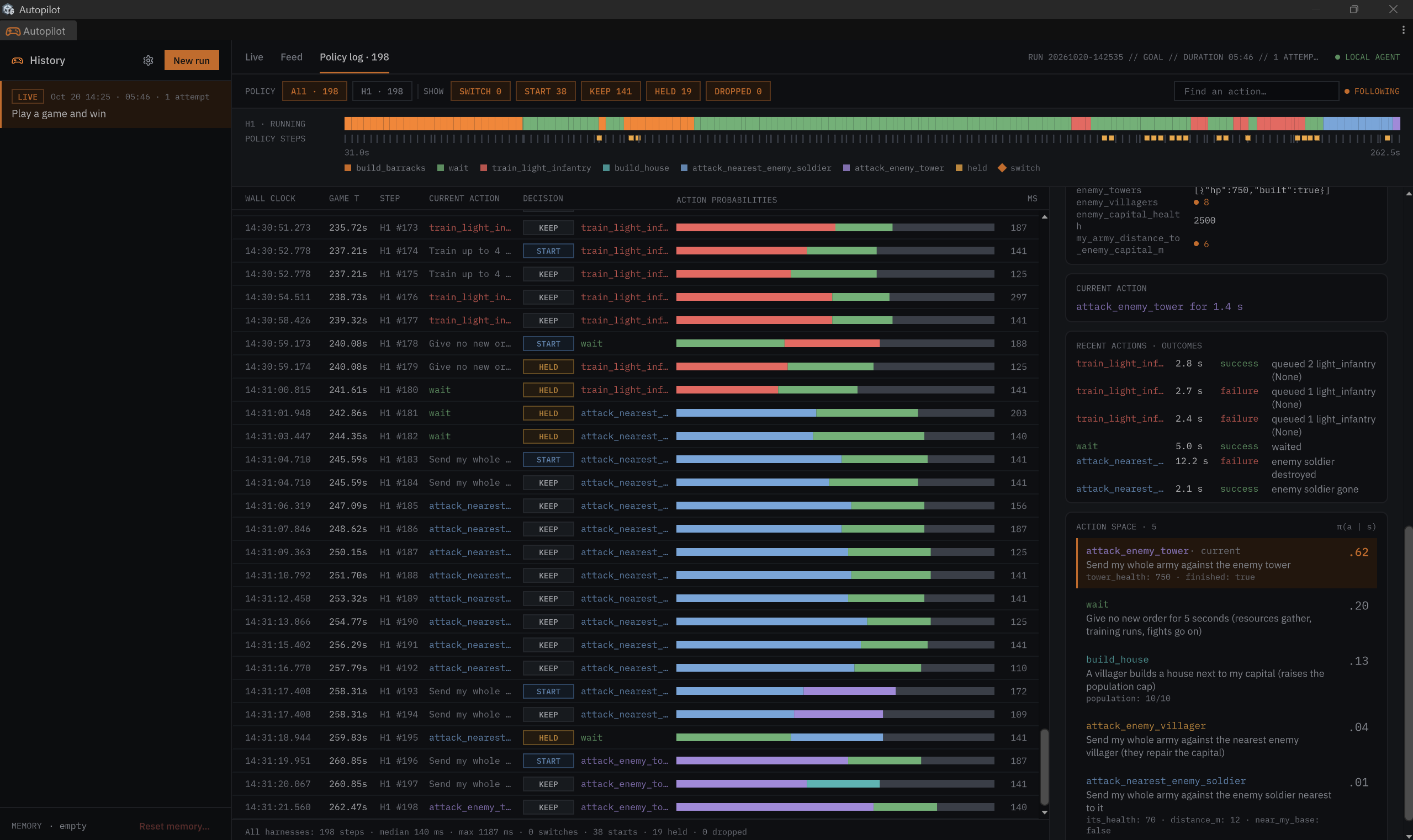
The Autopilot documentation describes exploration, testing, verification and goal-driven runs. A coding agent reads the project and builds a game-specific control harness; a decision model chooses actions during play. The run ends with a report. Project memory can retain findings and reusable harness code for later runs, though the documentation warns that early attempts may behave poorly.
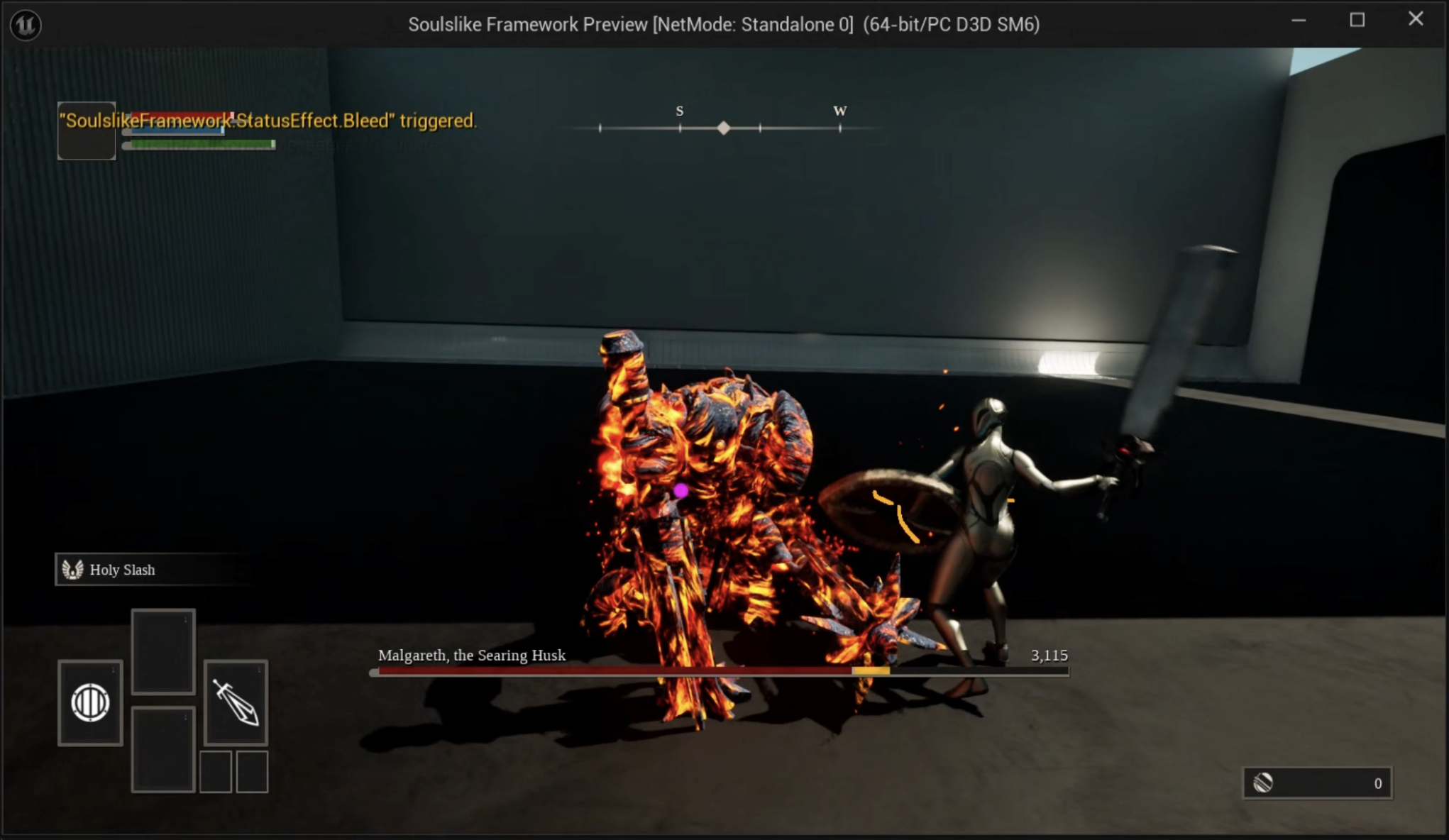
A useful first check could be a short inventory interaction or a reproducible combat condition with an observable result. Ramen’s October demonstration images show the intended workflow; a team still needs to assess the evidence against its own acceptance criteria.
Match the engine build and account for model usage
The build’s README lists Unreal Engine 5.4–5.8, Unity 6 / 6000.0 or later, and Godot 4.7 or later, on Windows and macOS. The repository first published a 1.0 package on October 30; November 3 is this build’s update date.
Autopilot is open source, with an MCP connection for Claude Code and Codex. Its documentation separates the coding-model subscription from decision-model usage charged through Aura; the bring-your-own-key route needs a TypeSafe key. Aura’s pricing explanation is usage-based, so access to the source does not establish a free or fixed-cost test run.
The setup reads project code and runtime state. Before connecting an unreleased project, review the selected model route and run-sharing setting. The testing and optimization category collects related tools for planning the surrounding verification work.
Sources (6)
- Ramen · Autopilot 1.0.0 (31cb1e5) · November 3, 2026
- Ramen · Merged cross-engine feature sync · PR 13
- Aura · Current Autopilot setup, task types and model usage
- Ramen · README at the November 3 release commit
- Ramen · Autopilot announcement and original demonstrations · October 31
- Aura · How Pricing Works
Based on official release notes, documentation and vendor demonstrations. No sponsorship or affiliate links.