PRODUCT UPDATE / AI game development · Game engines
EdenSpark 1.0 ships with MCP connections and built-in AI asset tools
The September 30 release combines agent access to a running game with asset generation, hosted multiplayer and standalone export. Its AI generation tools remain in beta.
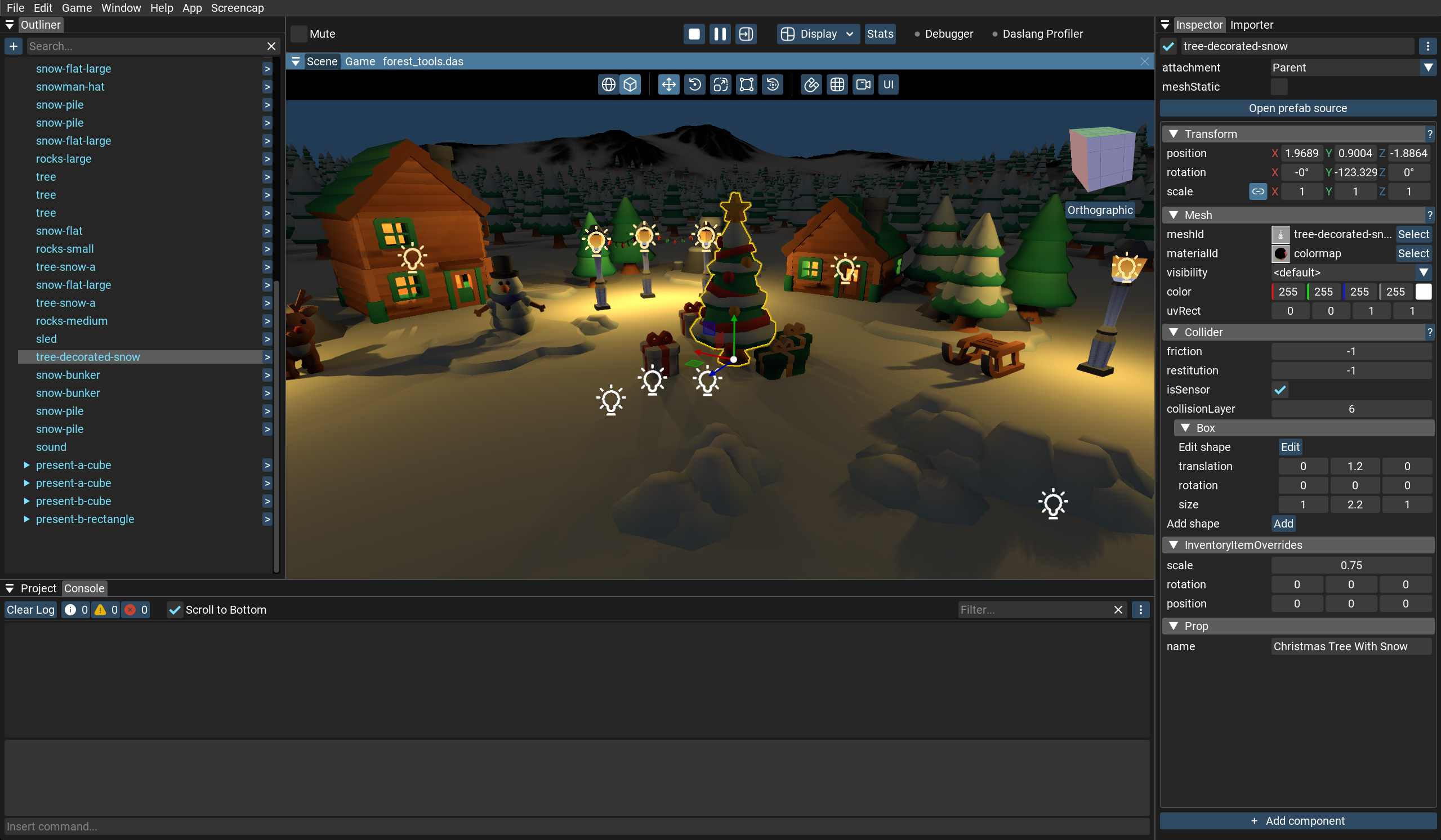
For developers exploring an AI-assisted prototype from a running scene to a shared game build.
Gaijin released EdenSpark 1.0 on September 30, bringing its game editor, connections to coding agents and built-in asset generation into a single development environment. For a small team exploring an AI-assisted prototype, the release offers a path from editing a running scene to sharing a standalone build. The asset-generation tools remain in beta.
Coding agents can inspect and play the running game
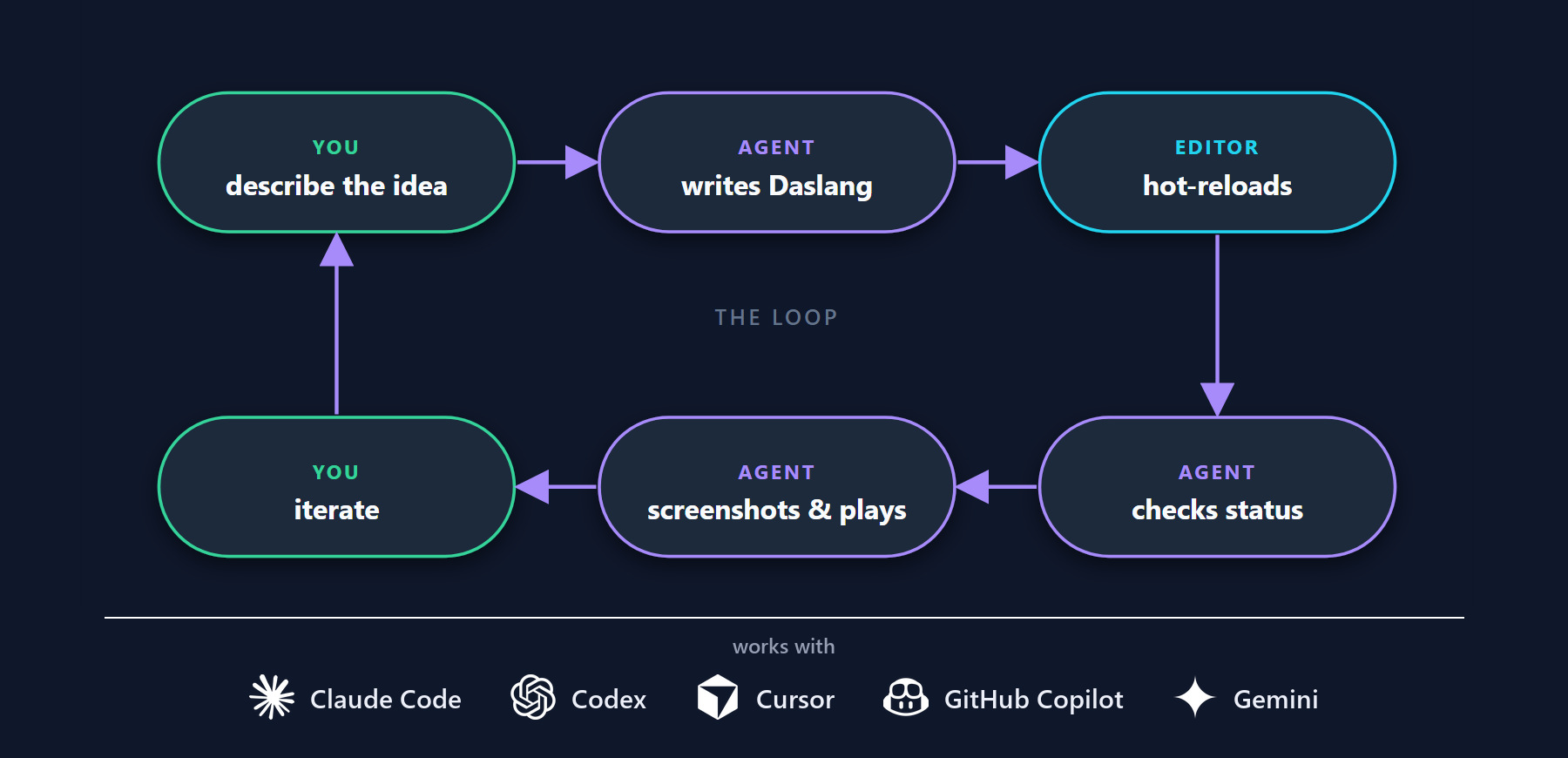
EdenSpark's AI development guide describes an MCP connection that lets an agent inspect the scene, read compilation errors, take screenshots and simulate input. Scripts use Daslang and support hot reload, so the agent can check changes inside the running editor.
Cloning a project creates configuration and language-reference files for supported tools. You still need to supply your own coding agent. Keep the editor open: its MCP server runs in the editor process, and multiple editor instances can compete for the same port. This is useful for checking a small game loop while changing its code; it does not establish that an entire game will work without developer review.
Images and 3D assets inside the editor
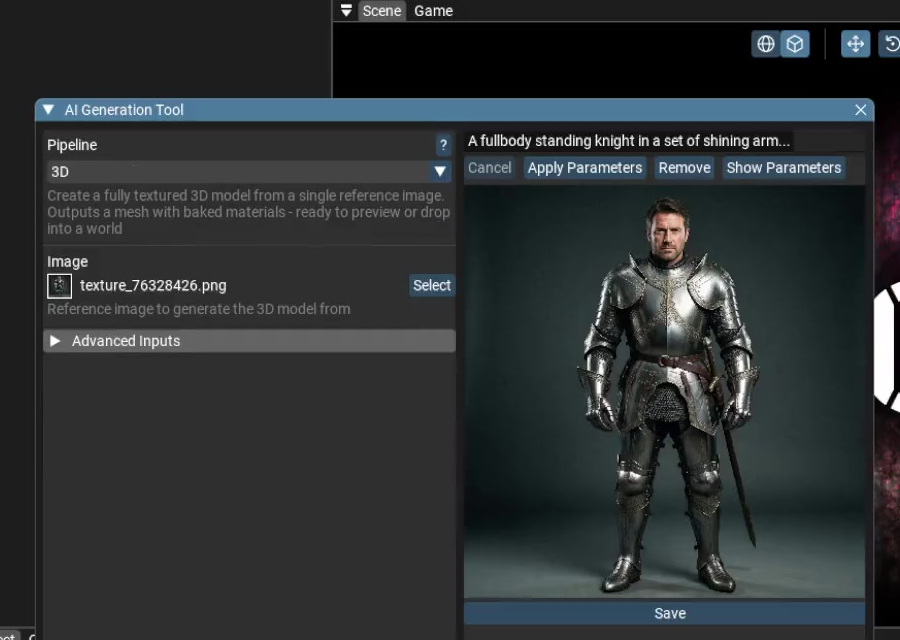
The generation tool supports creating images, editing them and turning a reference image into a textured 3D model. Developers can explore a prop design, refine the picture and pass it to the 3D pipeline without leaving the editor. The documentation lists color, roughness and metallic maps among the outputs.
The 1.0 announcement also presents Eden Image Mini as a local image model that can run offline after installation, alongside texture inpainting for selected areas. That offline claim applies to the named local image model; the announcement does not establish that every generation pipeline or external coding service runs locally. It describes built-in asset generation as included without an extra purchase, while the documentation still labels these tools beta.
Hosted multiplayer and standalone export
The 1.0 release notes add multiplayer with a lobby and invitations. The host runs the match inside their own game process. Components marked replicated can synchronize with clients, and the release includes net_cubes and net_ships samples. Multiplayer is still under active development; player prediction and reconciliation need to fit the game's own logic.
For sharing a prototype, the launcher can submit it to EdenSpark's catalog or export a standalone build containing the executable, assets and runtime libraries. The latter can run without the editor. A compact prototype can therefore be handed to players as a build, with its controls, generated assets and network behavior checked in that exported version.
Sources (5)
No sponsorship or affiliate links in this article.