INDUSTRY NEWS / Game technology · NVIDIA ACE and RTX
NVIDIA reviews DLSS 5 controls, ACE speech and dense-scene tools
NVIDIA’s September 22 developer roundup brings together DLSS 5 art controls, ACE speech and local inference updates, and Mega Geometry 2.0. The technologies were introduced on different dates.
For teams evaluating conversational characters, neural rendering or high-density ray-traced scenes.
NVIDIA's September 22 developer roundup covers DLSS 5 image controls, ACE speech and local inference components, and RTX Mega Geometry 2.0. These matter to game teams working on final image quality, conversational characters and dense scenes. The technologies did not all debut on September 22.
DLSS 5 can be directed by scene and object
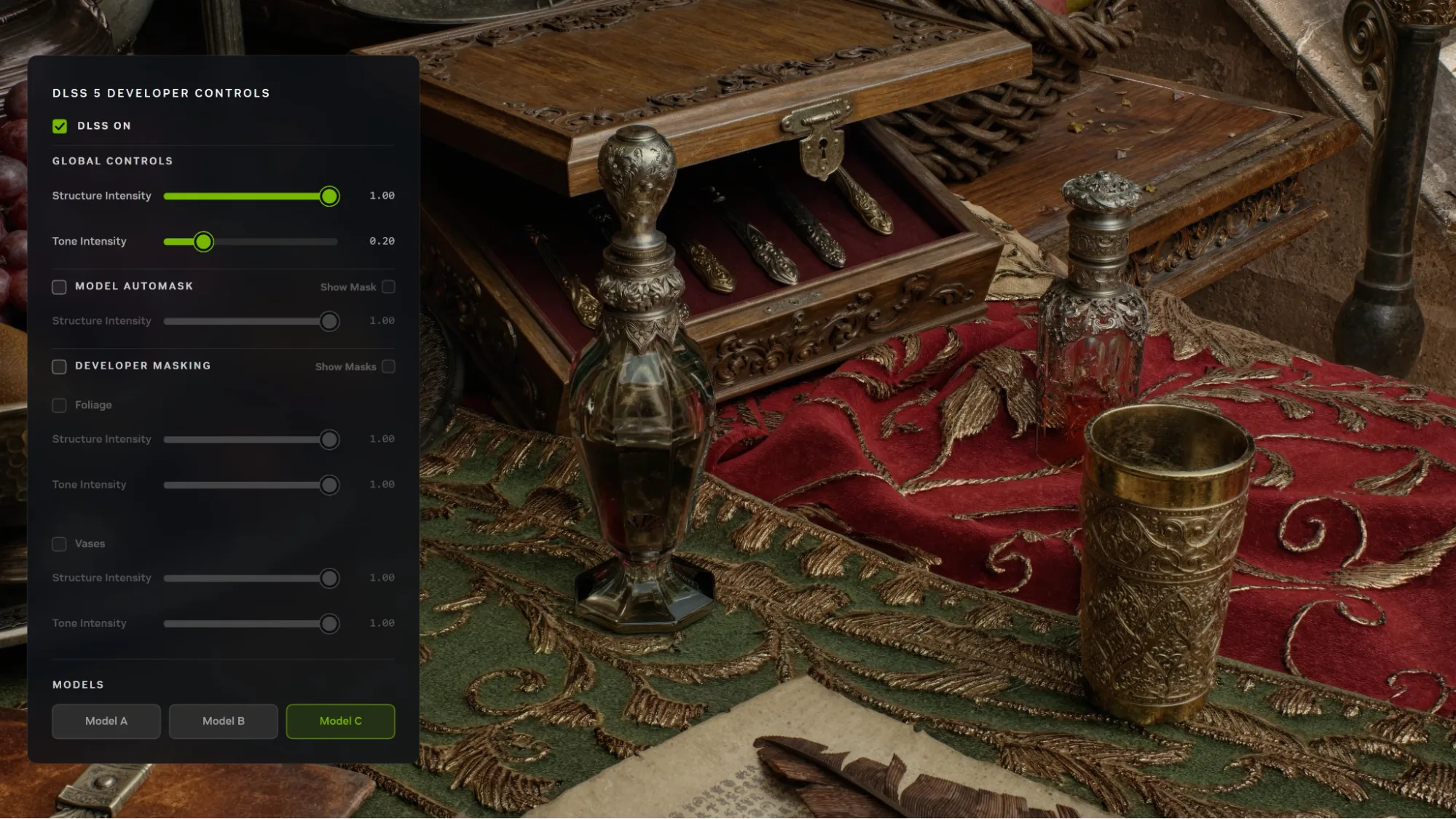
DLSS 5 uses the engine-rendered frame and motion vectors to add lighting and material detail. Developers can choose a model, adjust Structure Intensity and Tone Intensity, and use semantic or engine masks to target parts of a scene. NVIDIA describes NBA 2K27 as an example: Visual Concepts tunes skin and hair lighting while retaining scanned facial geometry.
NVIDIA had already announced DLSS 5's availability in NBA 2K27 on September 1. The September 22 post brings those controls into a wider developer update; it is not the initial launch.
ACE connects speech with local game inference
The update lists Nemotron Speech 3.5 Streaming for recognizing player speech and Qwen3 TTS for producing character speech. NVIDIA ACE also provides an in-game inference SDK for running models locally through C++. The roundup notes Gemma4 support, a Stable Diffusion plugin and sample, and developer-preview support for RTX Spark.
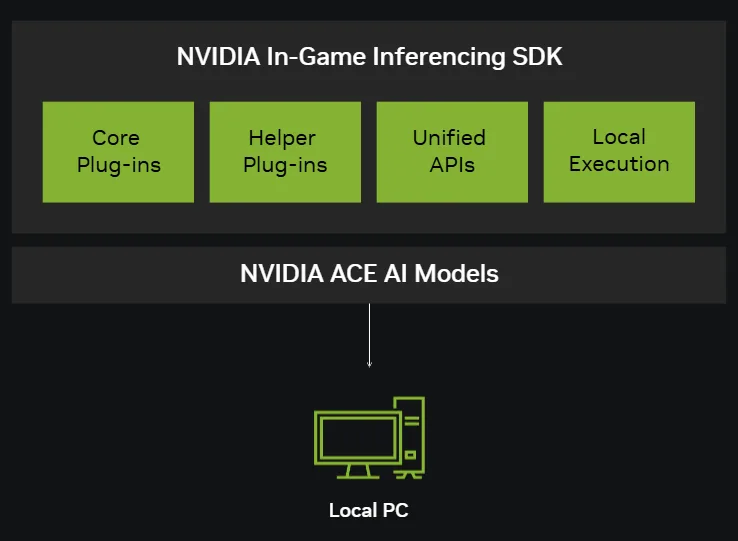
These components cover input, output and model execution. A character that responds to a quest or acts in the world still needs dialogue logic and a connection to game state. Teams should check speech latency and rendering performance on their target hardware.
Mega Geometry streams detail for dense scenes
The RTX Mega Geometry 2.0 release is dated August 28. Its Cluster LOD path streams pre-baked triangle clusters into VRAM as needed for ray-traced scenes with dense geometry. NVIDIA revisits the Zorah sample in its September 22 roundup.
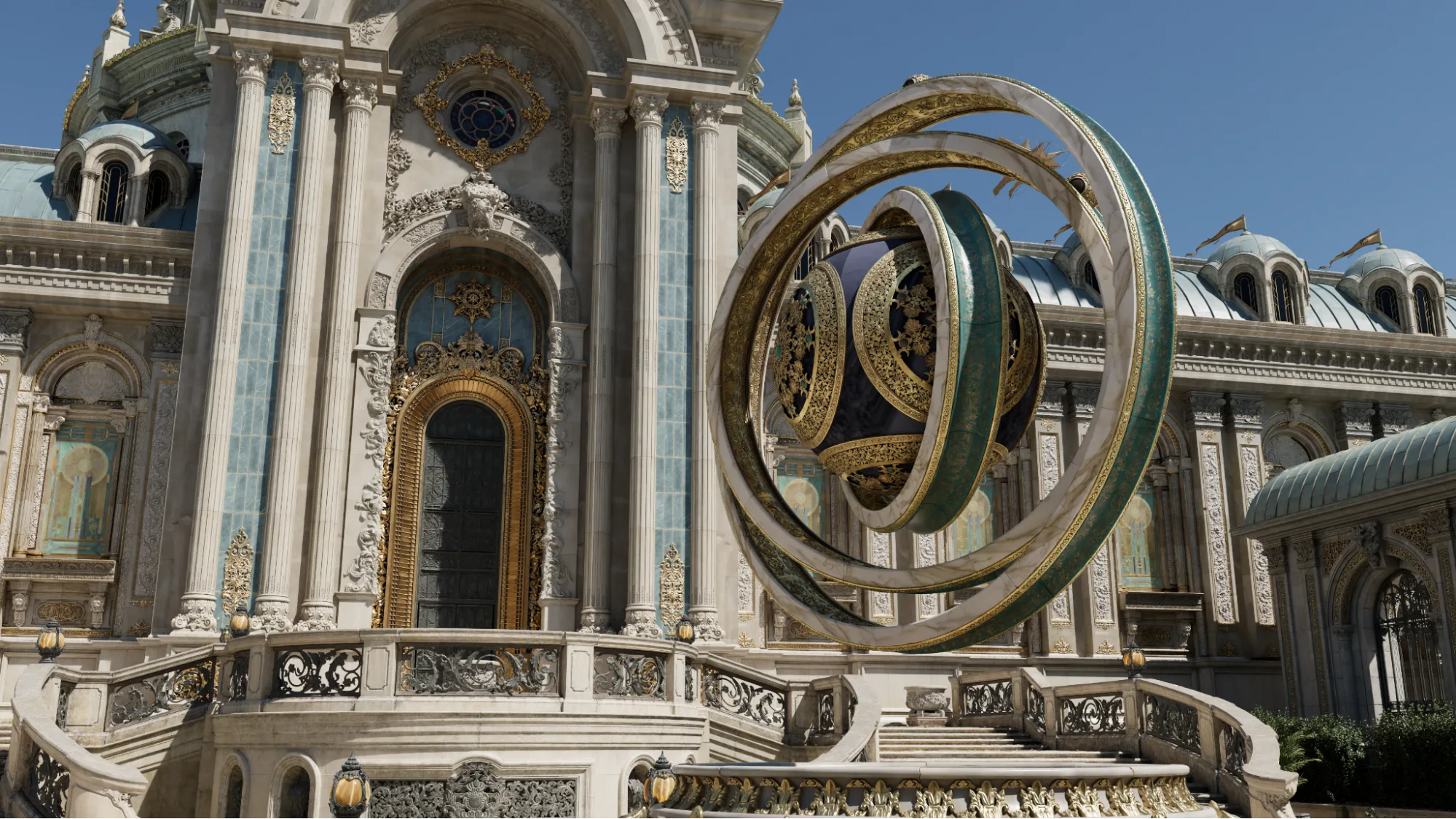
Teams using many dense models can evaluate it against frame time, VRAM and content-production costs on their intended devices. For conversational characters, a small player-speech-to-character-response scene is a useful first integration test; our NVIDIA ACE tool page outlines the wider stack.
Sources (4)
No sponsorship or affiliate links in this article.