PRODUCT UPDATE / Game development agents · Product release
Aura 1.0 connects game-building agents with in-engine playtesting
Ramen has released Aura 1.0 for Unity and Unreal with Mac support, project memory and custom agents. Its self-playtesting Verification Agent is currently limited to Unreal.
For teams assessing whether an engine-aware agent can shorten the loop from implementing a gameplay feature to testing it.
On September 9, 2026, Ramen released Aura 1.0. The game-development agent for Unity and Unreal Engine has left beta with project memory, custom agents and dynamic workflows, alongside faster Blueprint generation and in-engine verification.
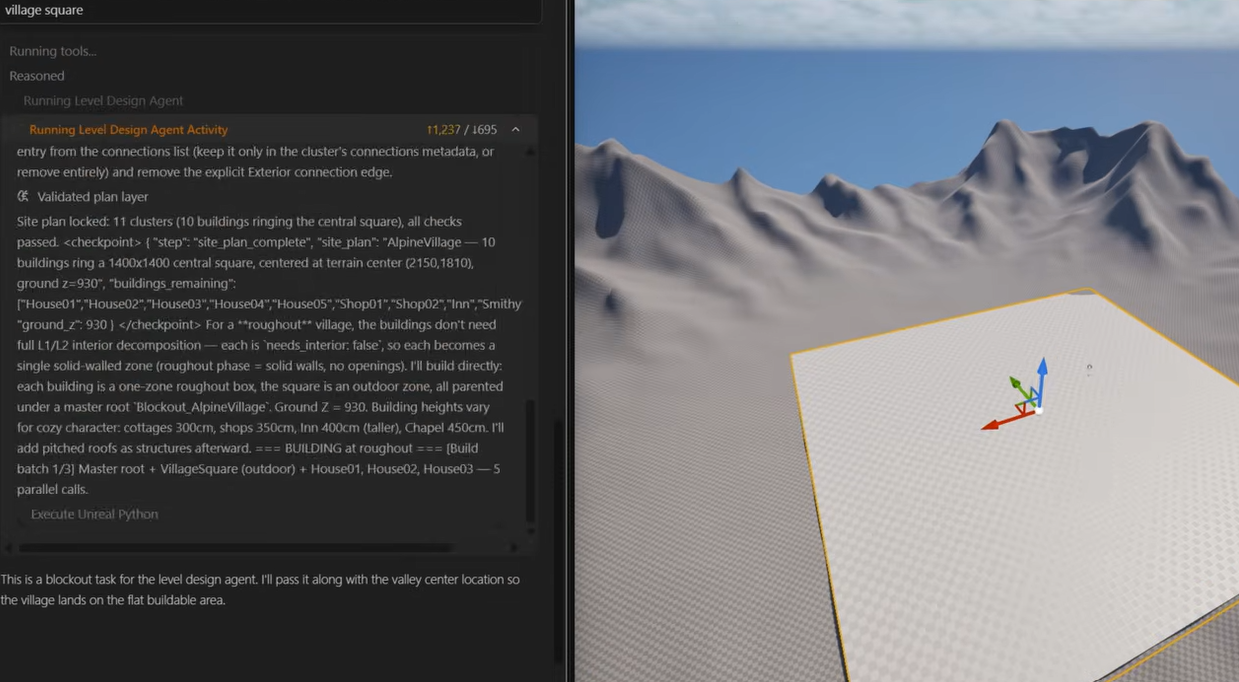
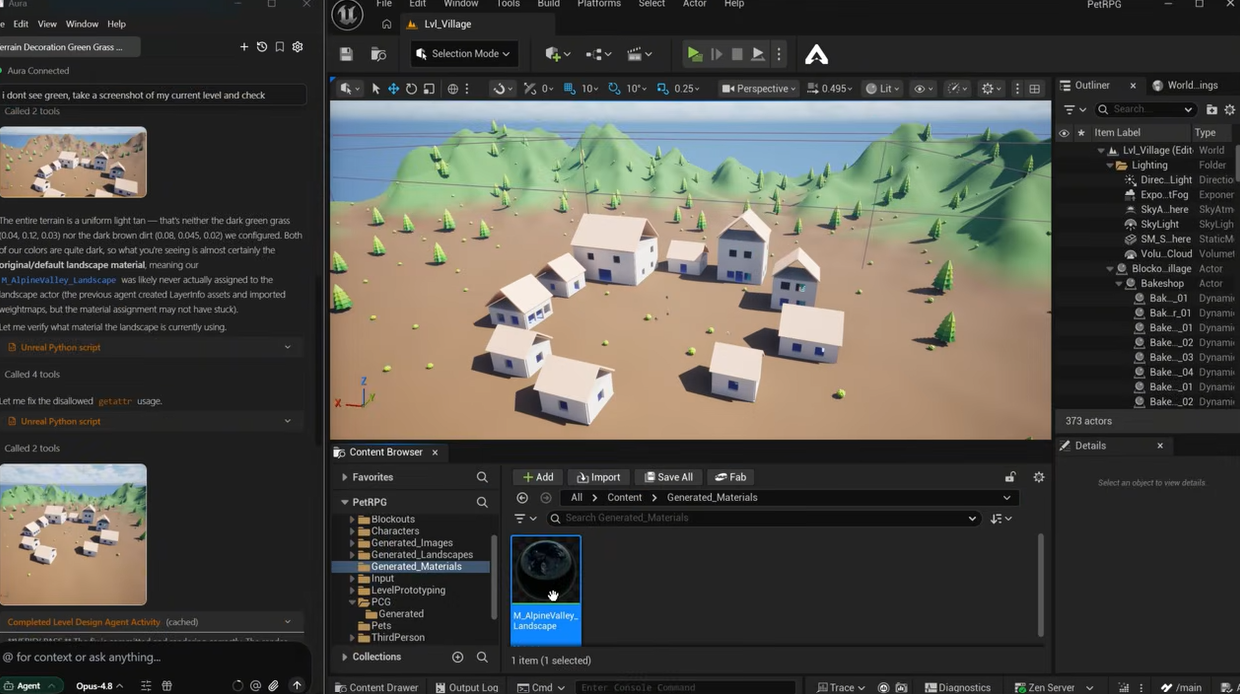
The notable change is what happens after a feature is built. Aura can launch the game, run test cases and use the result to continue working on the project instead of stopping after it produces code.
The Verification Agent joins implementation to playtesting
Ramen says Aura's Verification Agent can test gameplay and UI without a developer at the controls, then look for bugs. A test case that previously took two to three minutes is now said to finish in under a minute, with three cases running at once; the company describes the overall change as an eightfold speedup. These are vendor measurements without a published test set or repeated results.
Aura's current product page labels self-playtesting as “Unreal only for now.” Unity and Unreal are both supported by the wider 1.0 product, but the two integrations do not currently offer the same verification capability.
Project memory carries context between sessions
Project Memory retains important facts and changes for later conversations. Custom Agents and Dynamic Workflows can split longer features across several agents. Ramen also says Auto-mode Blueprint generation fell from six minutes in beta to about three minutes. This is another internal result that teams should verify against their own projects.
The GamesBeat launch interview includes one production example supplied by Ramen. The company says Dark and Darker developer IRONMACE used Aura to generate and verify Blueprints so non-technical designers could help build a new tutorial feature in about half the time. The report does not provide the original hours, task boundaries or comparison method, so the result should not be treated as a general benchmark.
Unity and Unreal have different compatibility boundaries
The current compatibility and pricing page lists Unreal Engine 5.4 through 5.8 on Windows and versions 5.7 and 5.8 on Apple Silicon Macs. The Unity version supports Windows, Apple Silicon Macs and Unity 2022.3 LTS or newer.
That page currently offers a two-week trial and lists the annually billed Indie plan at $120 per year, equivalent to $10 per month. Paid plans describe Auto Mode as unlimited, but rate limits still apply. The FAQ also says unlimited Auto Mode requires the training setting to be enabled: conversations and project context explicitly shared with Aura may be used to improve accuracy, while training is off by default for enterprise users. A team planning to connect an unreleased project should review that setting against its confidentiality requirements first.
Start with one feature that has clear acceptance tests
A practical trial can begin with a bounded feature such as an interactive obstacle with a failure state or one step of a tutorial. Write down the gameplay, UI and error cases that must pass, then record completion time, failed tests, manual repairs and regressions.
This separates faster generation from faster delivery. Aura 1.0 moves testing into the agent loop; whether that saves production time still depends on how reliably it passes a team's own acceptance criteria.
Sources (4)
No sponsorship or affiliate links in this article.