ANALYSIS / Agentic prototyping · Case review
Playco turns one grey box into three playable prototypes with GPT-6 Astra
Playco expanded one kart-racing grey box into candy, cyberpunk and pirate prototypes, reporting 50% fewer manual fixes than with the previous model. The published case does not disclose its test size, time or cost.
For teams that want to compare several creative directions on one gameplay foundation and bring playtesting into the prototype loop.
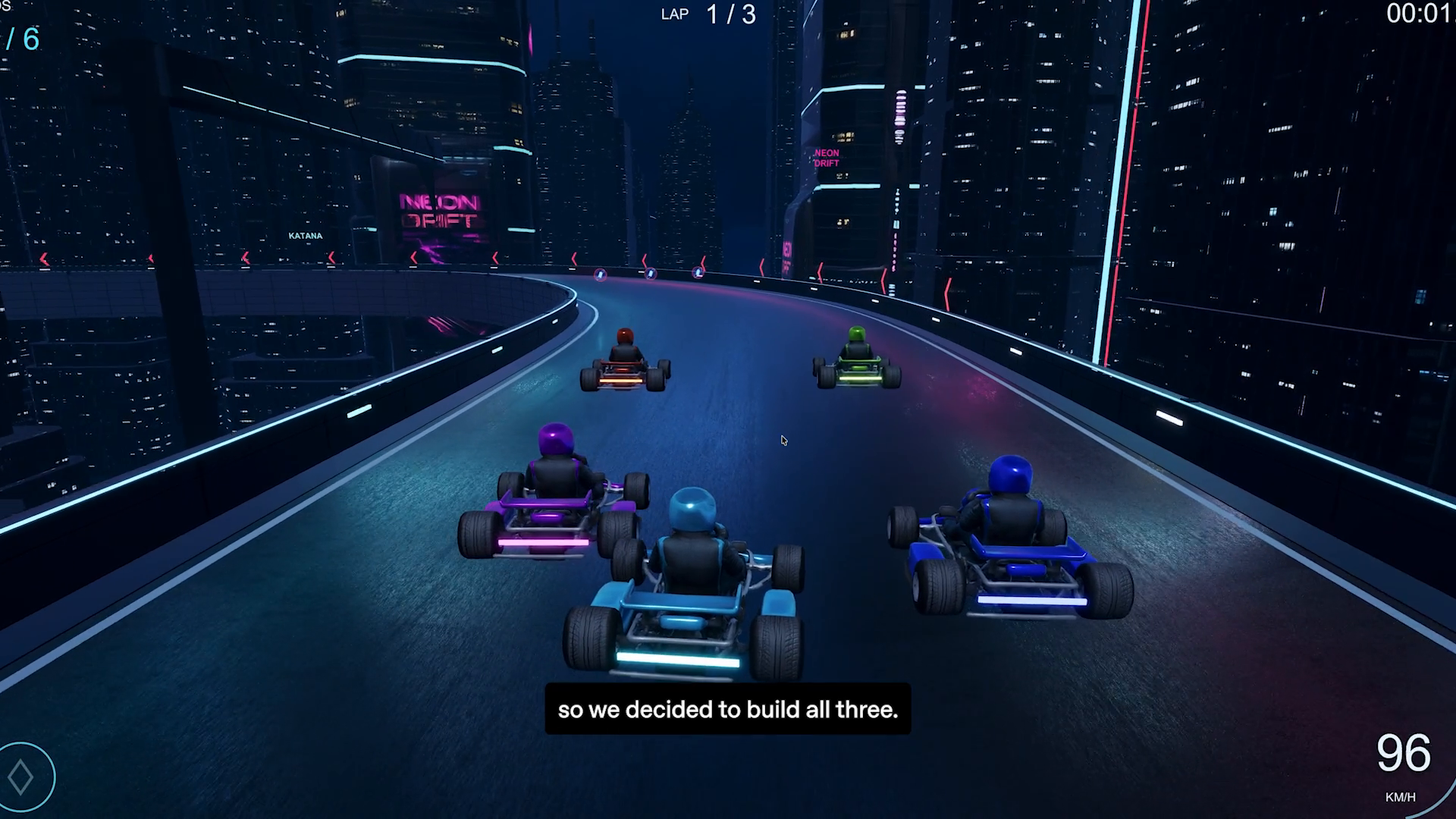
On September 3, 2026, an OpenAI case study about Playco showed a kart-racing prototype experiment. The team built an unthemed grey box from simple primitives, iterated on the core play, and then developed candy, cyberpunk and pirate versions from that shared foundation.
Playco is building this workflow into Playbot, an AI development environment for professional game developers. It connects to engines such as Unity and Godot so an agent can edit scenes, run the game, inspect the result and continue making changes.
Fix the gameplay before multiplying themes
The experiment did not begin as three separate games. It began with one kart-racing foundation. The grey box kept the cars, track and starting gate simple so the team could establish the basic driving and race structure first.
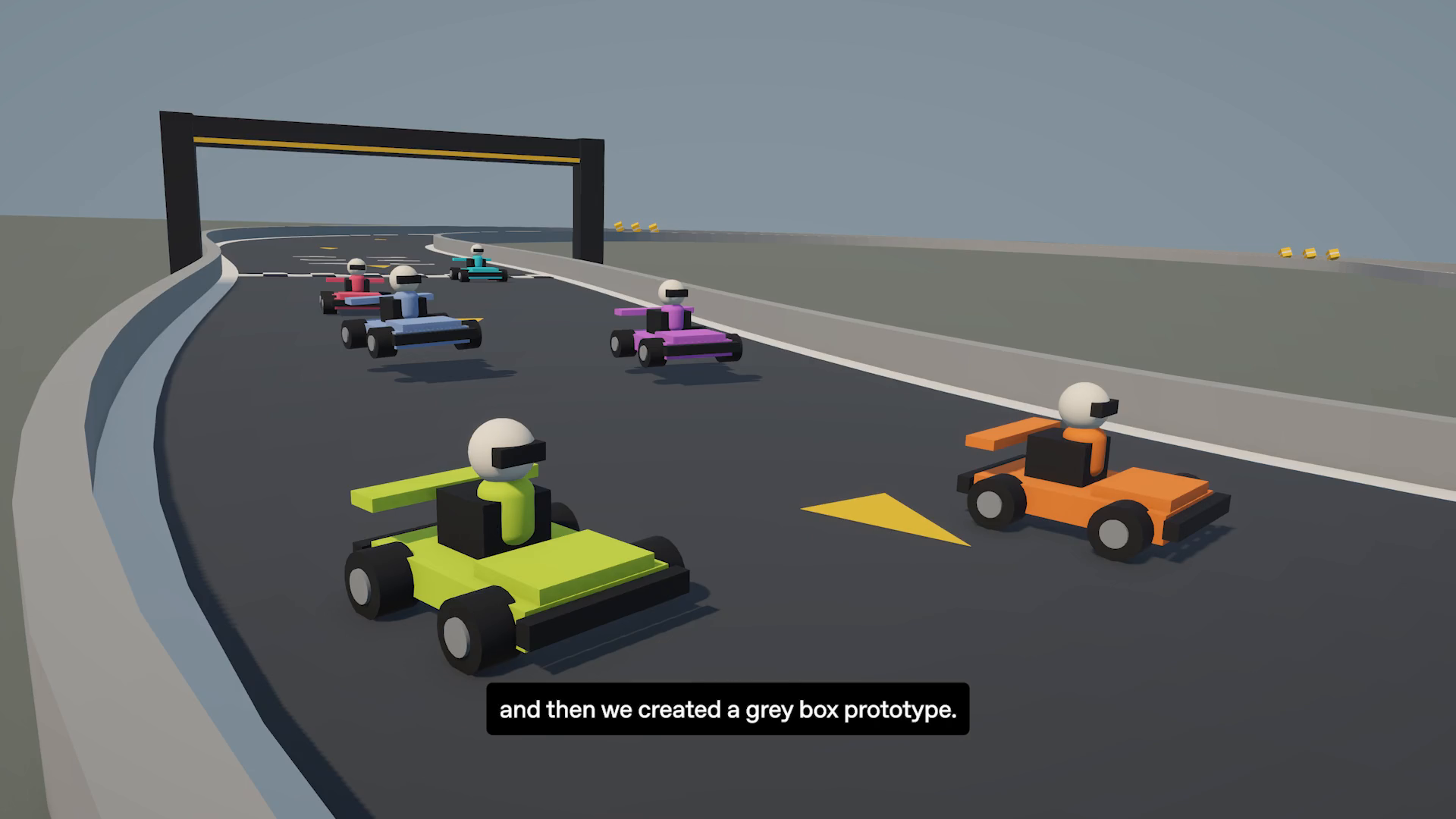
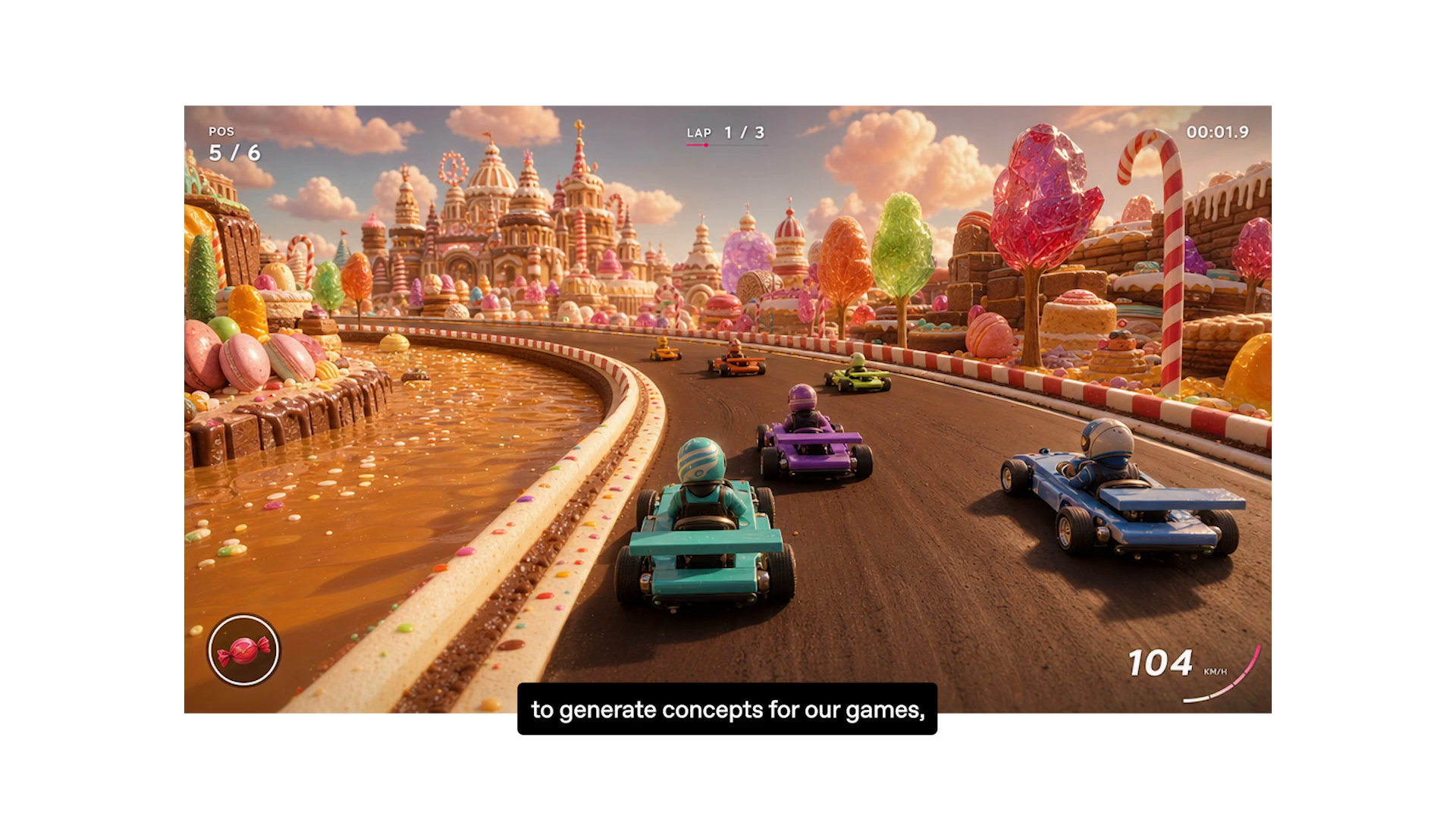
An OpenAI for Startups demonstration says the team then used GPT-Image-2 to explore candy, cyberpunk and pirate art directions before asking GPT-6 Astra to build playable versions. Keeping one foundation focuses the comparison on theme and experience, while avoiding a separate gameplay setup for every idea.
Playable options move the decision earlier
A concept image can compare color, materials and atmosphere. It cannot show whether the camera, sense of speed, track readability or controls feel right. Turning several directions into running prototypes lets developers play them before committing to a full asset pass.
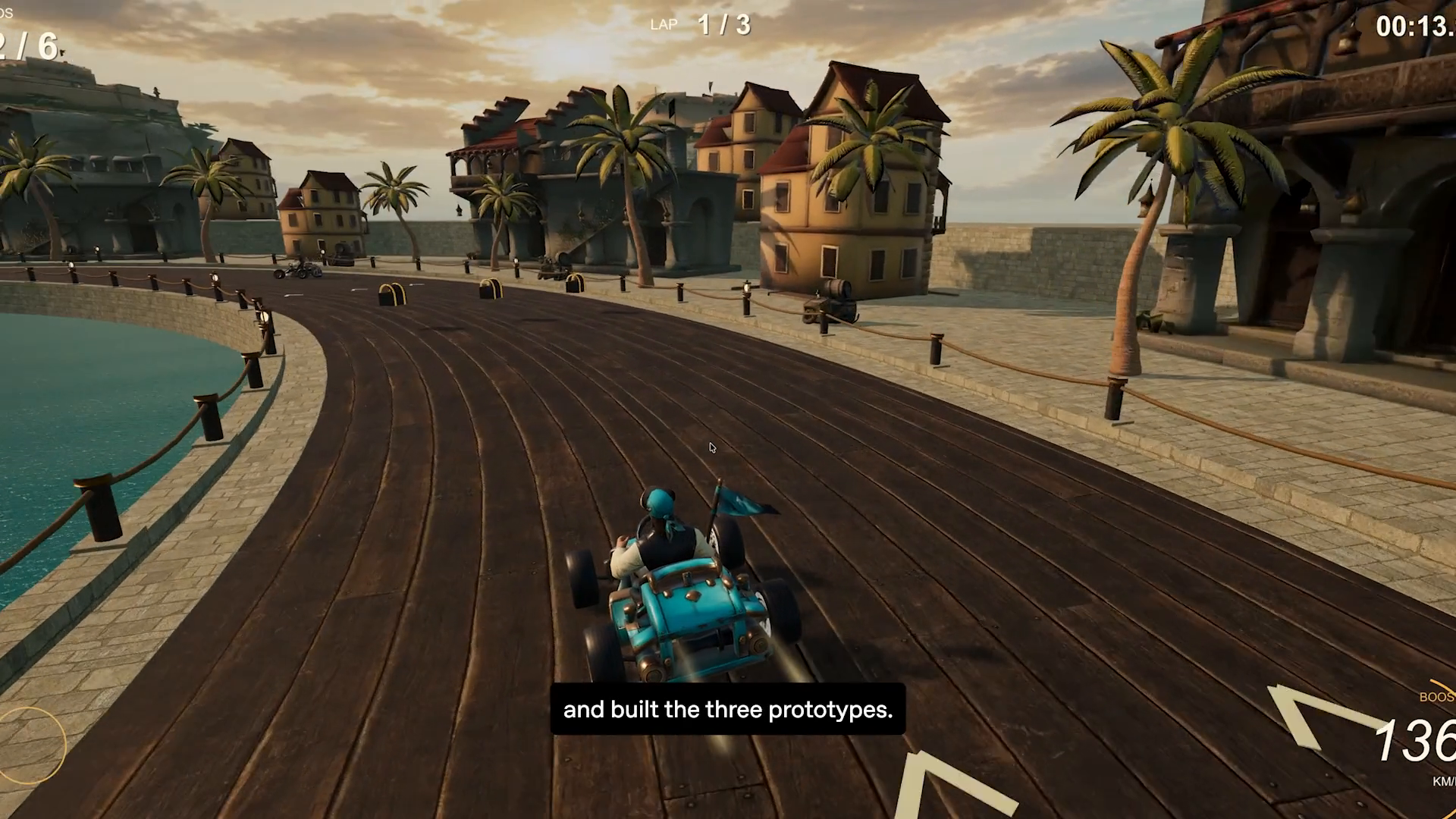
Playco says GPT-6 Astra produced all three themed versions in one go and most worked on the first take. The cyberpunk version still needed a performance fix, while other changes reflected the team's gameplay preferences. In this context, “one go” describes a prototype ready to evaluate, rather than a finished game ready to ship.
The 50% result belongs to this test
Playco reports 50% fewer manual fixes than with the model it used previously. The published case does not state the number of tasks, define what counted as a fix, or disclose total time, cost and independent reproduction. An independent analysis points to the same missing context.
The number therefore supports a narrower conclusion: Playco saw fewer corrections in its own test. It does not show that every team can halve prototype costs. The more useful signal is the workflow around the model. An agent can run what it just built, catch visible failures, and hand playable options to a person for comparison.
A practical first trial
Playbot is currently recruiting for a research preview, and its public page does not list pricing or a general availability date. A team testing a similar workflow can start with one grey box that already has explicit acceptance criteria, generate two or three themes, and track functional failures, performance problems and preference changes separately.
If every version can pass the same gameplay checks reliably, reviewers can spend more time judging game feel and creative direction. That is a stronger measure of a shorter prototype decision cycle than the amount of code or art the agent generated.
Sources (4)
No sponsorship or affiliate links in this article.