INDUSTRY NEWS / World models & prototypes
Rosebud showcases games with scenery generated as players move
A reference image and a prompt become an interactive video stream. The examples explore how generated scenery can work alongside game rules.
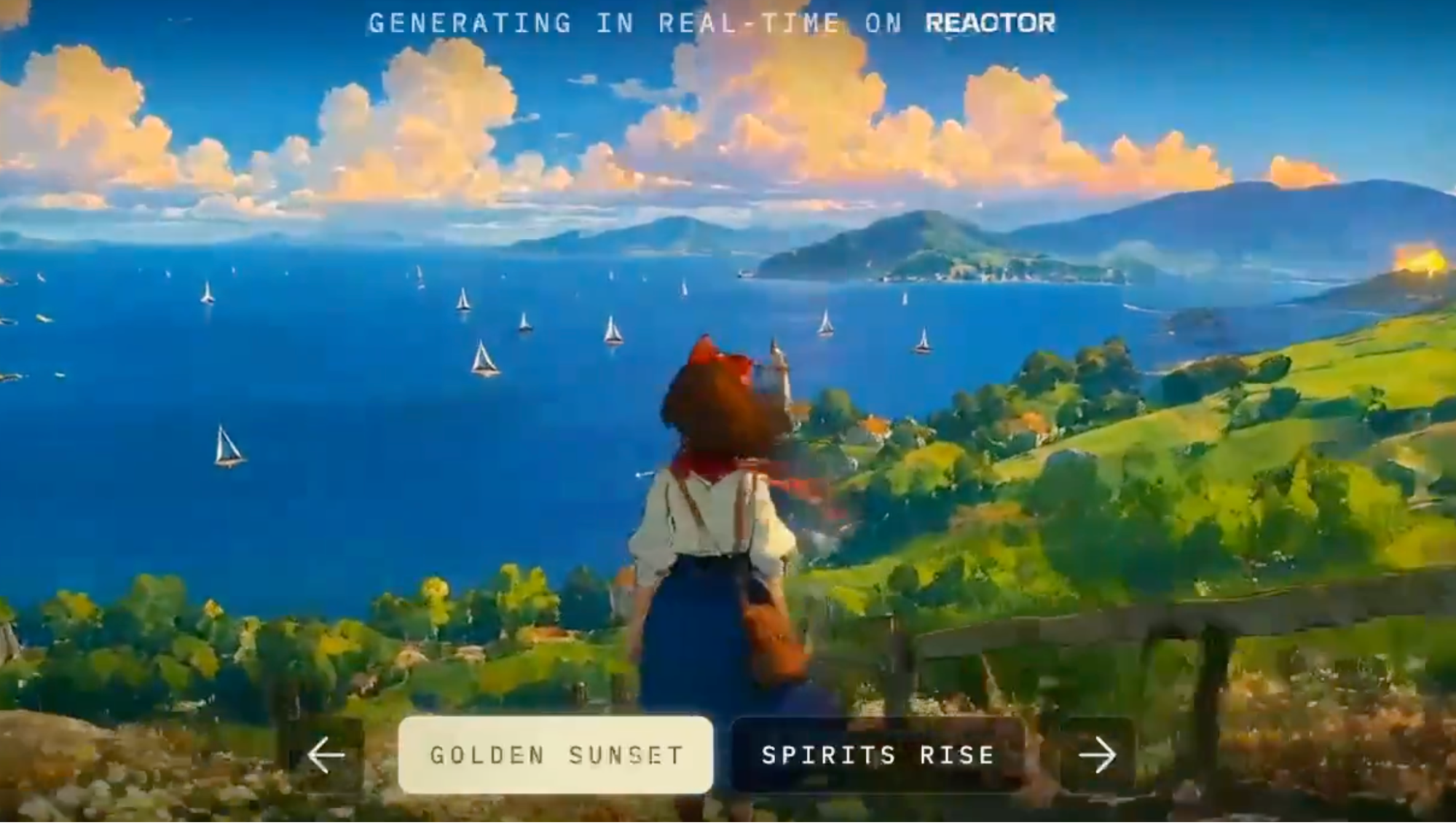
An approach to explore for scene-driven prototypes, with gameplay state and video runtime costs to plan for.
Rosebud published an Interact studio case study on August 31, 2026, showing games that use Reactor's video world models to generate scenery as players interact.
A reference image sets the scene
The project uses LingBot World 2. According to Reactor's API documentation, a session starts with both a reference image and a text prompt. Developers can then send movement and camera controls, or change the prompt during the session.
The output is a video stream that responds to those inputs. A game integration forwards player controls to the model and displays the returned frames. This could be useful for exploring a scene's atmosphere: different reference images could suggest different settings for the same adventure.
Generated scenery still needs game rules
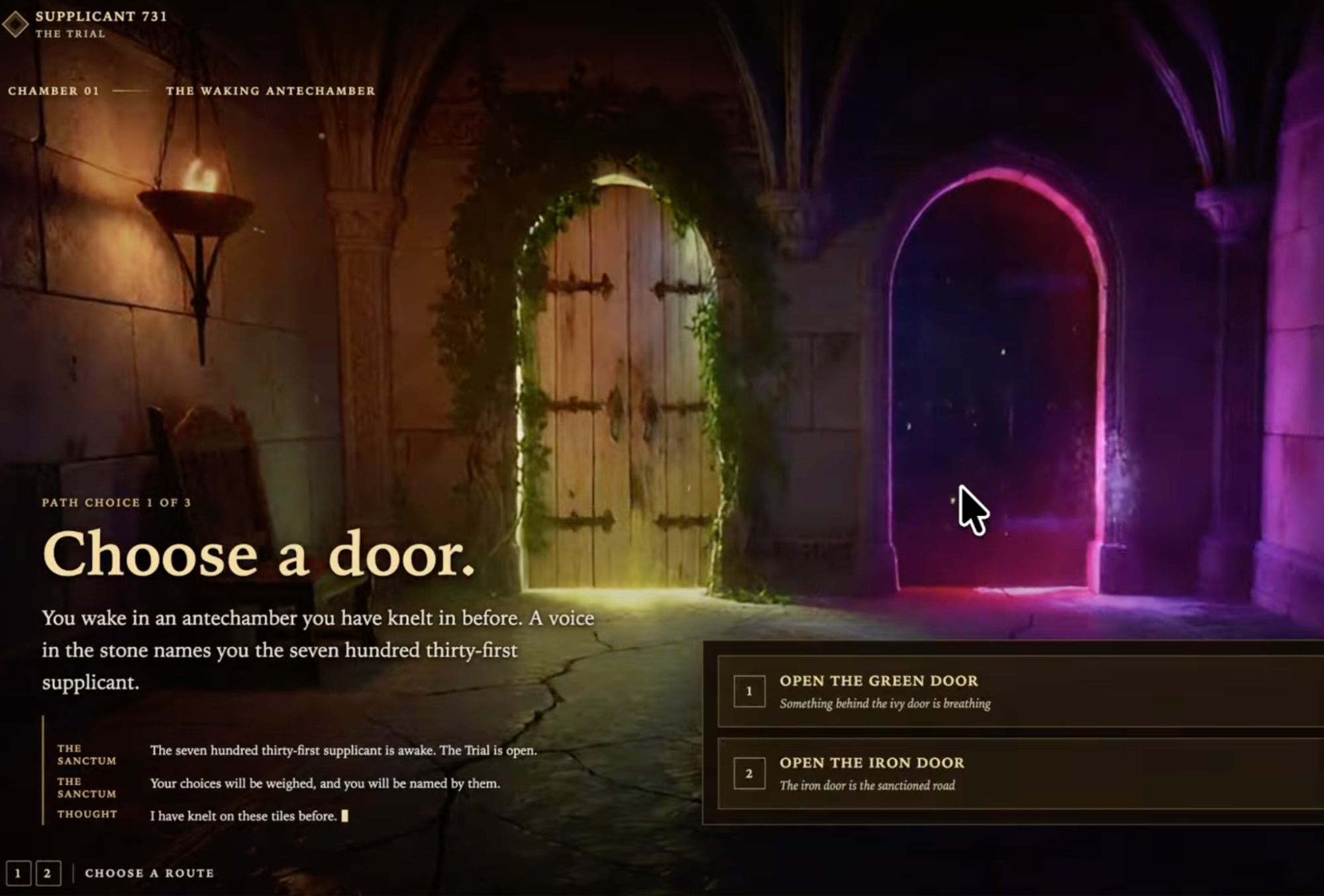
In Subject 731, the creators combine generated research-facility rooms with a hacking minigame. Game code organizes the puzzles, dialogue and progression around the changing visuals.
For a prototype, that suggests a division of work worth exploring. A model can supply scenery, while the designer defines objectives, persistent task states and clickable interfaces. Responding to movement is only one part of a playable experience.
The Subject 731 demo is available on Rosebud. Another example linked in the report, Drift Duel, is described on its game page as a drifting race built around checkpoints and lap times.

Developers can start with Reactor's API documentation. The LingBot World 2 model page lists runtime pricing separately, so a prototype budget also needs to account for continuously generated video.
Sources (5)
No sponsorship or affiliate links in this article.